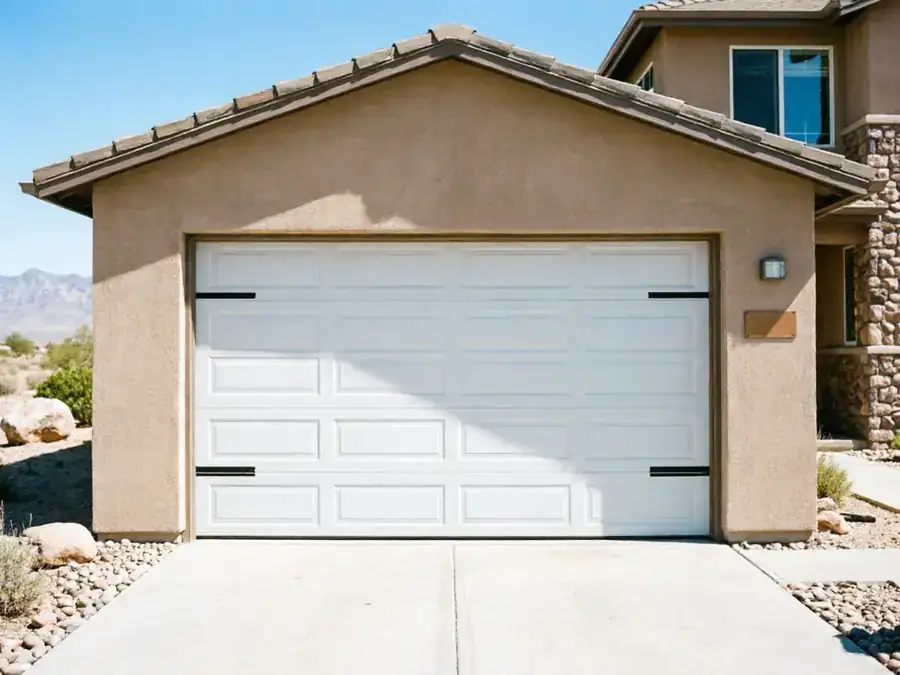
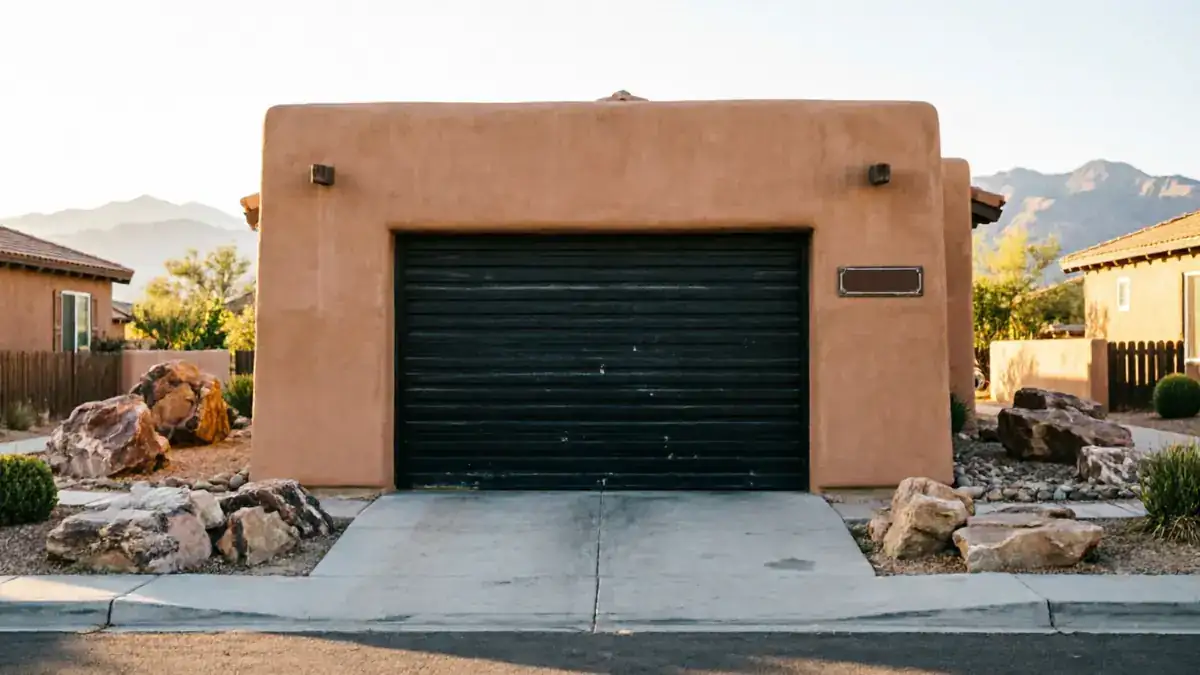
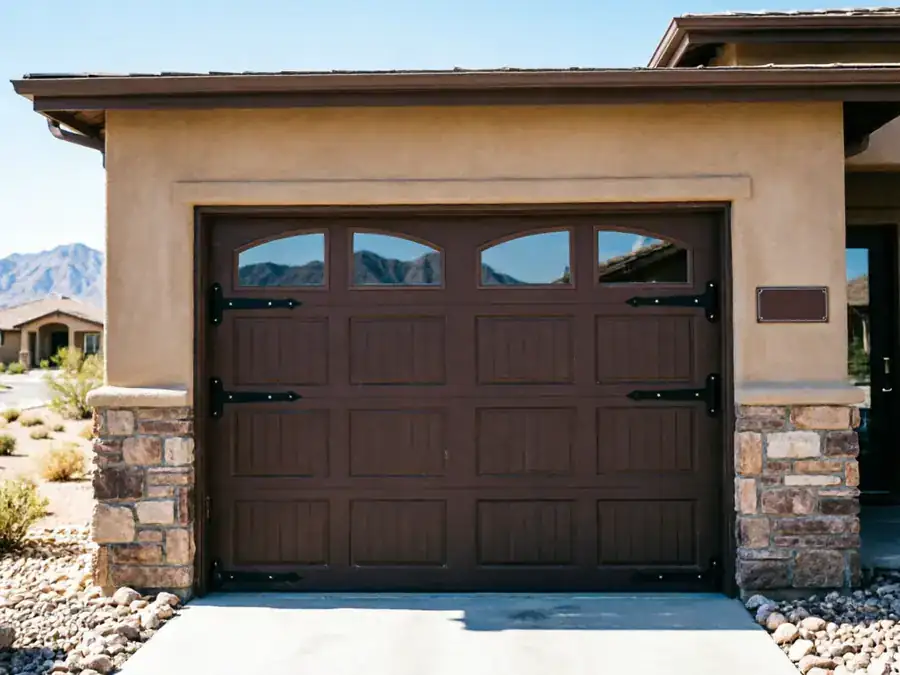
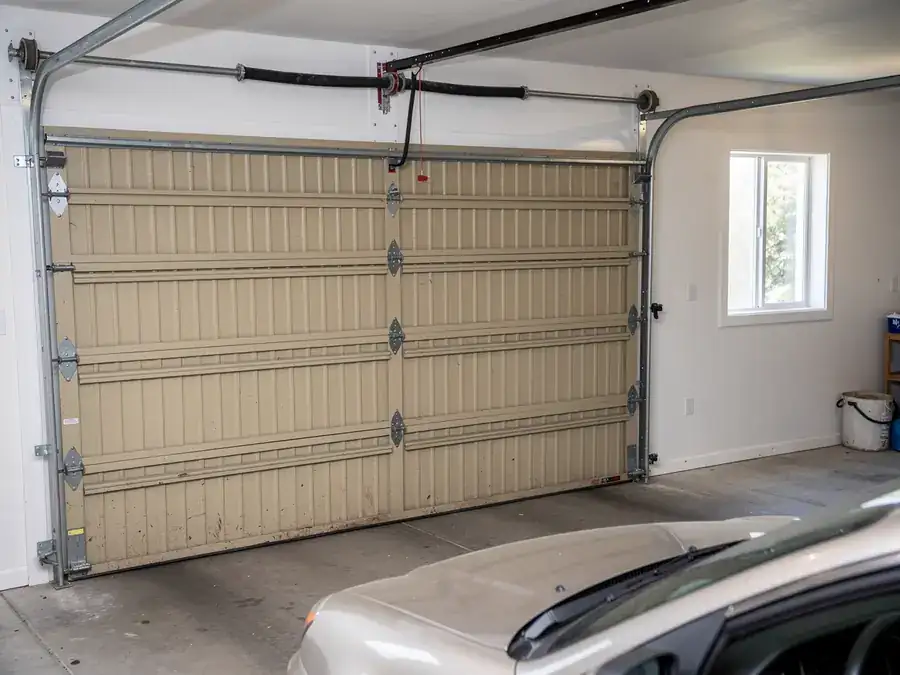
General characteristics of each style - your exact options depend on the manufacturer and product line.
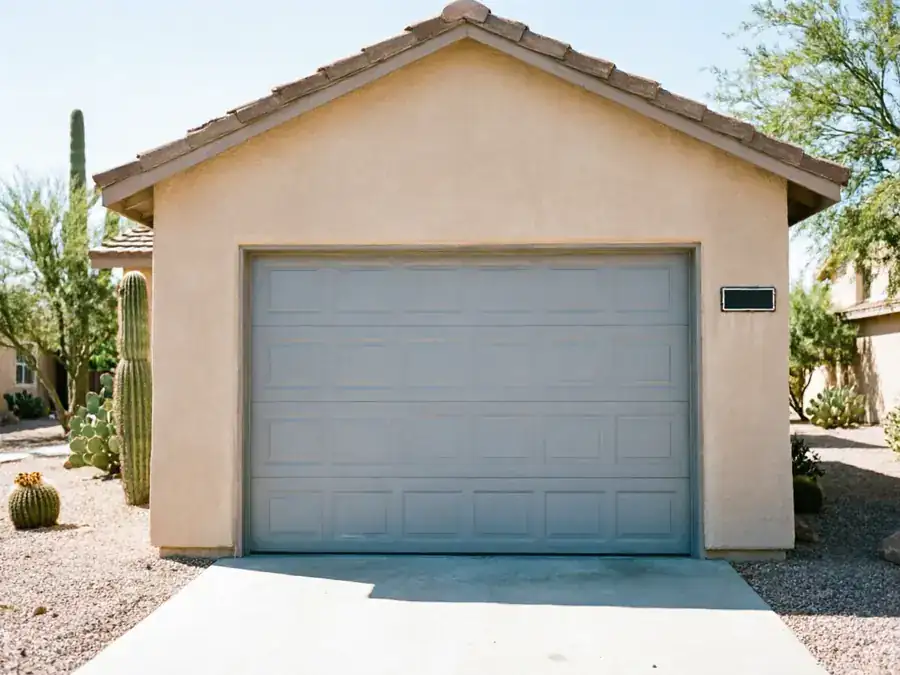
Sectional steel
Steel, insulated or non-insulated
The most common residential garage door style in North America. Horizontal panel sections hinge together and roll up along a pair of vertical-then-horizontal tracks. Available as a single steel skin or, more often, an insulated build with a foam core between two steel layers.
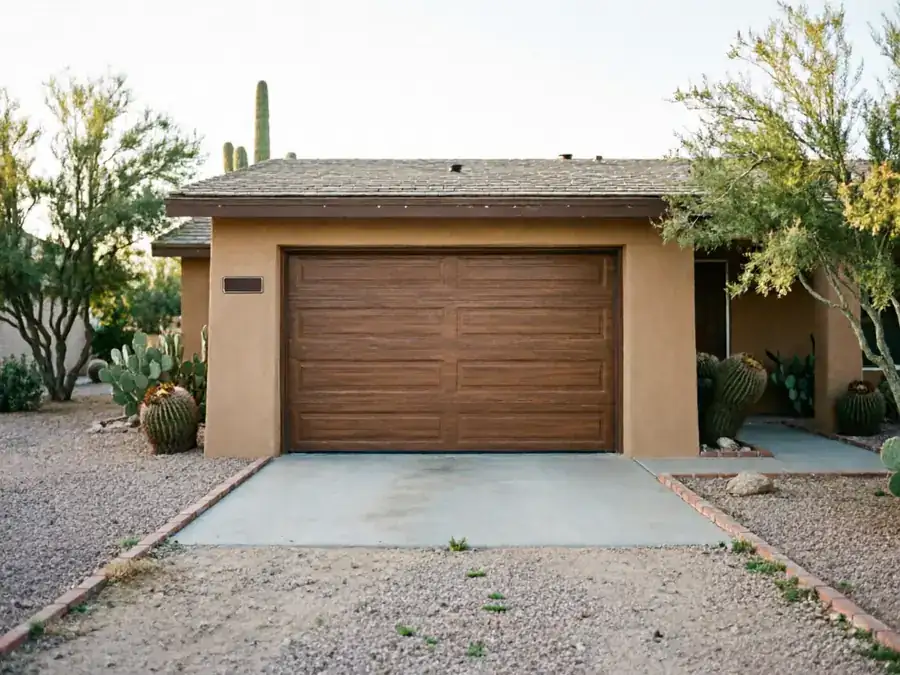
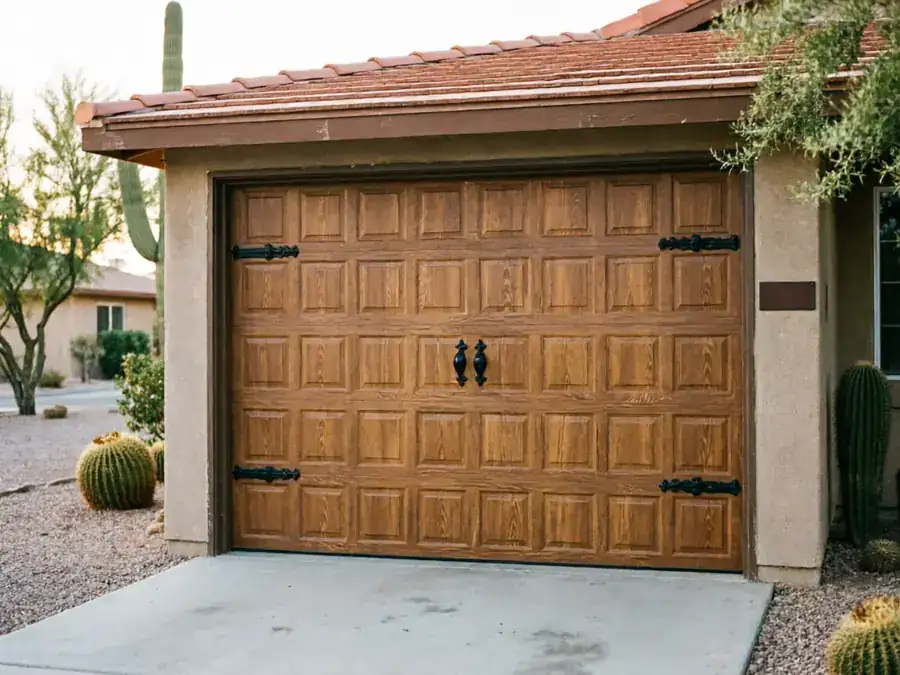
Carriage house
Steel, composite, or wood-faced
Styled to look like the swing-out carriage or barn doors of an older building, but operates on the same overhead track as a standard sectional door. Usually finished with decorative hinge and handle hardware to complete the look.
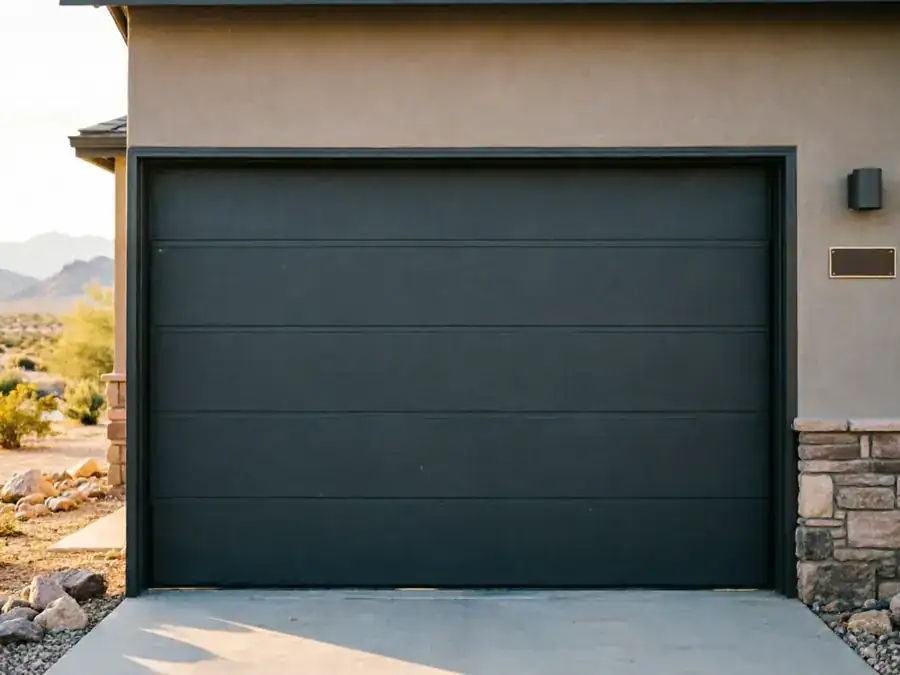
Modern flush
Steel or aluminum
A flat, smooth-faced panel design with no raised molding or ridges - a minimalist look that pairs with contemporary architecture. Built on the same sectional-track mechanism as a traditional panel door.
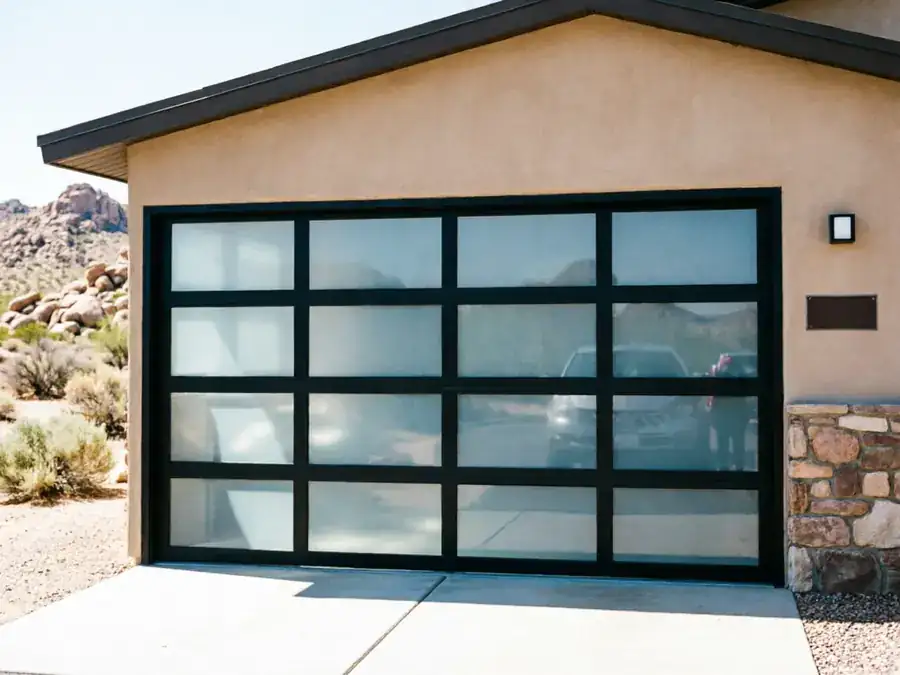
Full-view glass
Aluminum frame with glass or acrylic panels
Aluminum-framed sections glazed with glass (clear, frosted, or tinted) instead of solid panels. Common on modern homes and commercial storefronts for natural light; typically offers less insulation than a solid steel door unless the glazing itself is insulated.
Raised panel
Steel
The traditional embossed-panel look most associated with a residential garage door, available in long- or short-panel patterns. Comes insulated or non-insulated, same as sectional doors.
Commercial roll-up
Heavy-gauge rolling steel
A rolling steel curtain (often slatted) built for higher daily cycle counts and larger openings than a residential sectional door - loading docks, warehouses, and commercial bays.
Options
Insulation & options
01
Insulated doors sandwich a foam core (polystyrene or polyurethane) between two steel skins
Non-insulated doors are a single steel layer. Insulation is usually described by R-value, and thicker cores generally mean a higher R-value and a heavier door - which changes the spring and opener sizing needed to lift it safely.
02
Beyond the core, the main choices on most manufacturer lines are the color finish, the window/lite pattern (if any)
And decorative hardware. Exact availability varies by manufacturer and product line.
How it works
From “it’s stuck” to “it’s fixed”
A quick, honest process - no guesswork and no surprises.
1
Tell us what’s wrong
Describe the symptom - won’t open, loud bang, opener runs but the door won’t move.
2
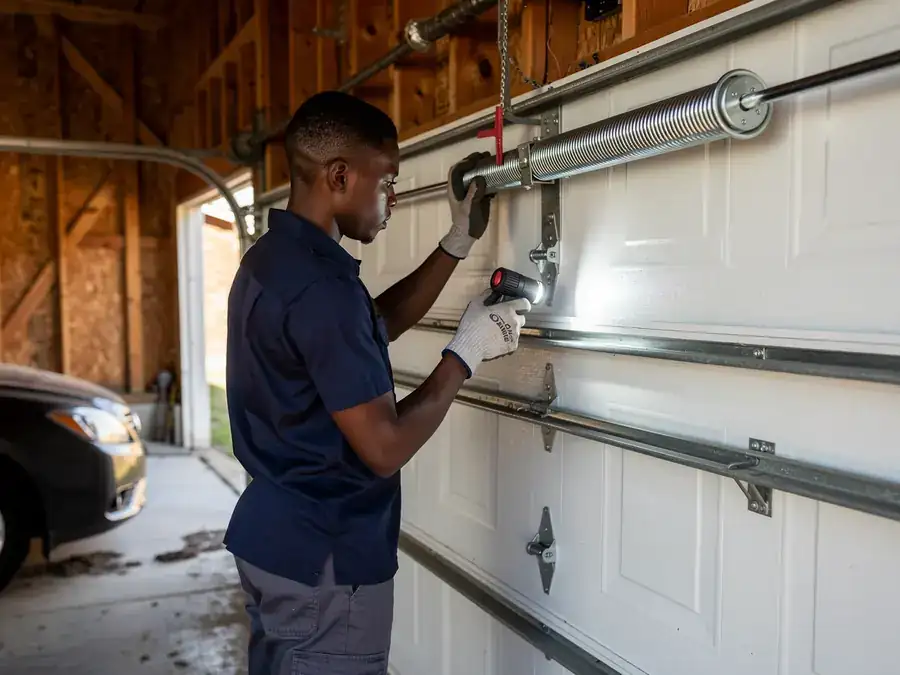
On-site diagnosis
A technician tests the door under power and by hand and finds what actually failed.
3
Clear, up-front plan
You get the fix that’s needed and what drives the cost - before any work starts.
4
Repaired & tested
The repair is done, the door is set true and tested, and the work area left clean.
Door styles
Doors and work we handle
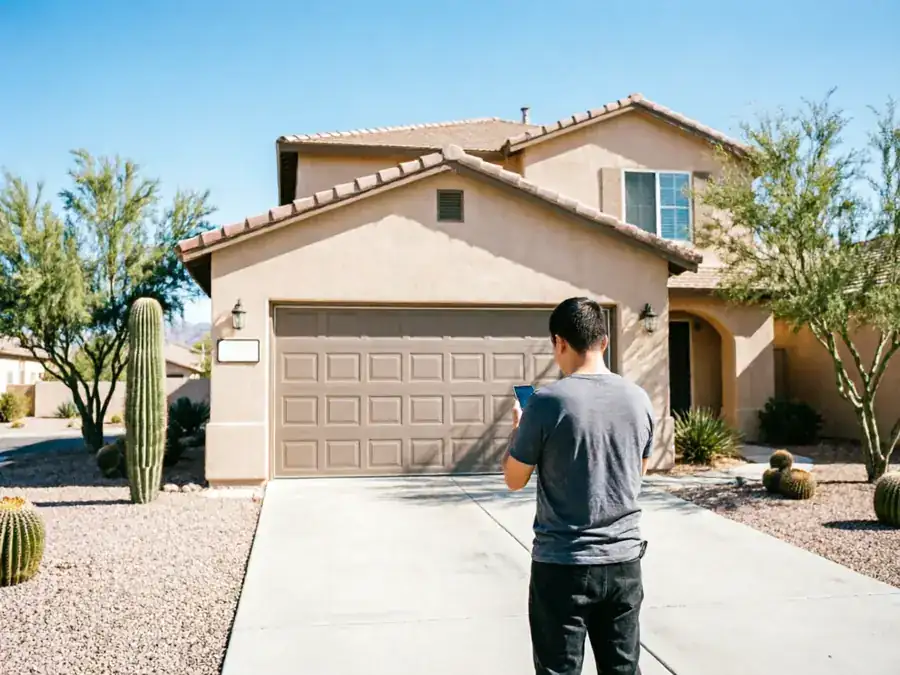
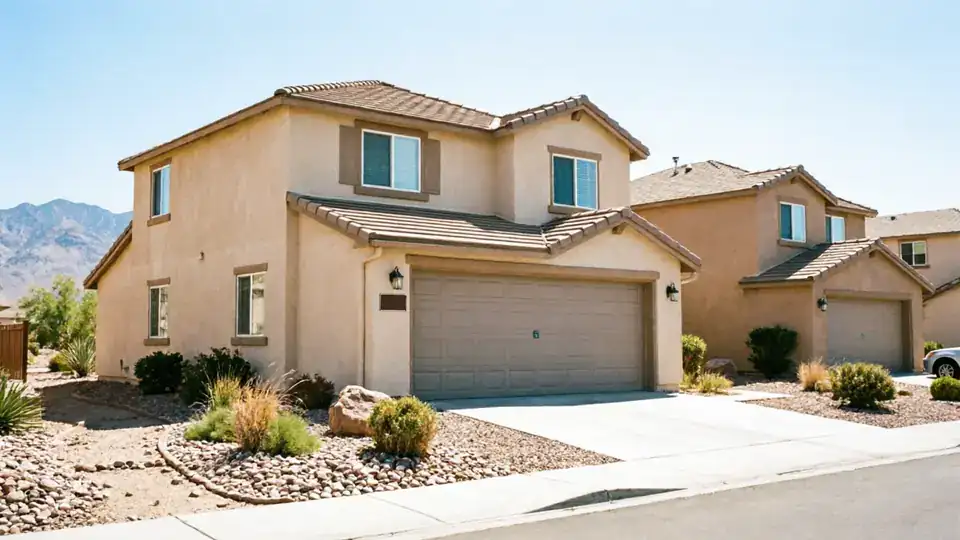
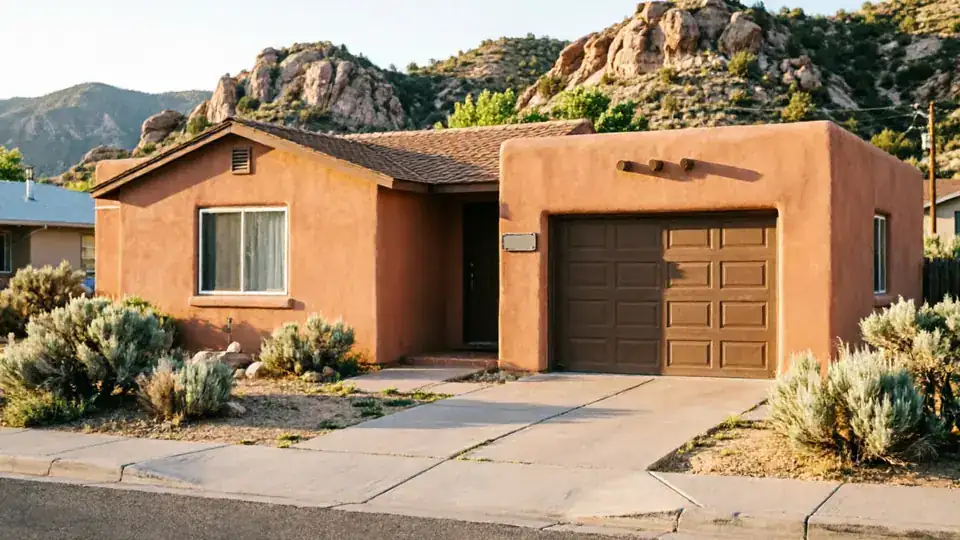
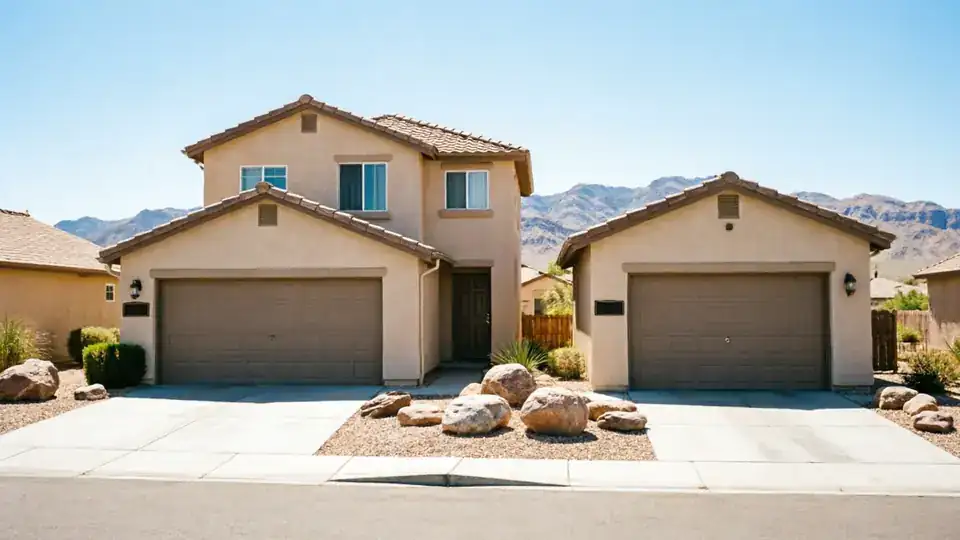
Illustrative styles - sectional, insulated steel, carriage, and commercial doors.
Straight answers about garage door repair in Chandler. Still unsure? Ask us directly.
Why does my opener keep struggling even after I replaced the motor unit?
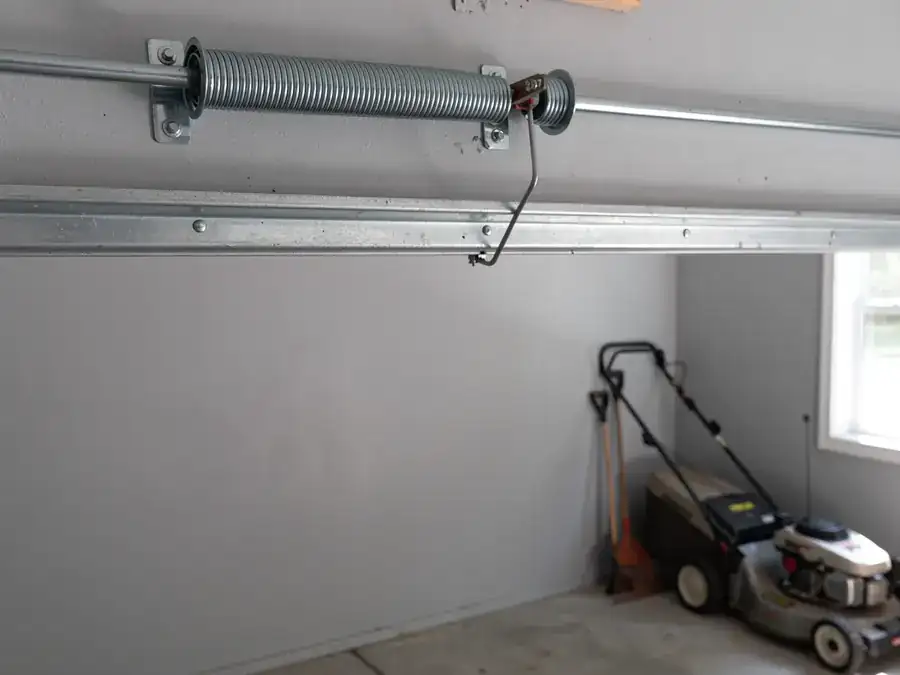
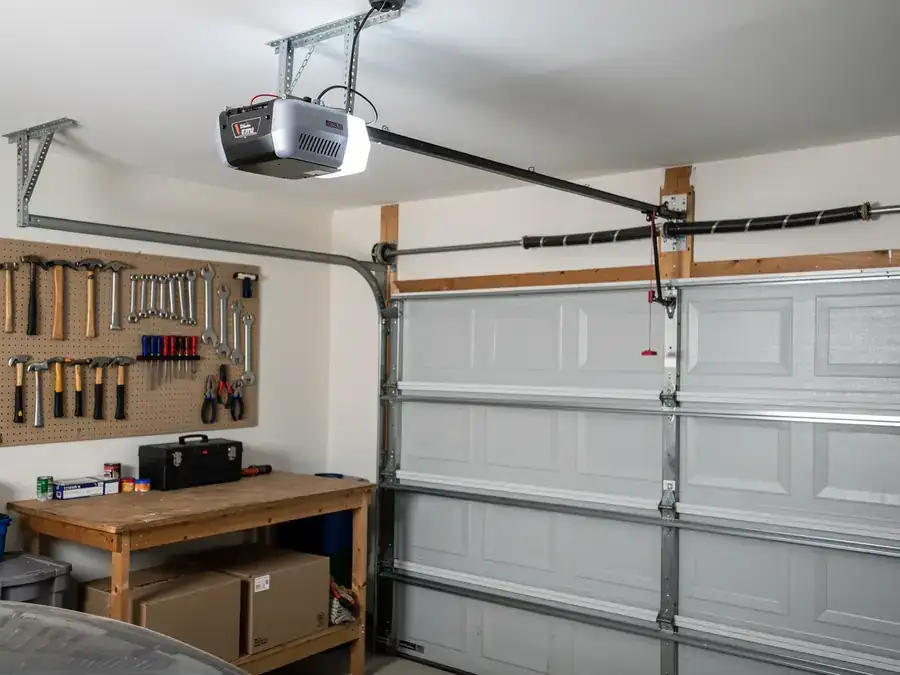
If the opener is new but still straining, the spring is usually doing less of the lifting than it should. On houses from this area's main build era, original torsion springs are often past their rated cycle count, so the opener compensates and burns out again. Replacing the opener alone doesn't fix a spring problem.
Is it normal for my garage to feel like the hottest room in the house?
With summers here running into severe heat territory, an uninsulated steel door and a garage with no real airflow will run hotter than the outside air by mid-afternoon. That heat also degrades opener lubricant and plastic gears faster than milder climates, which is part of why opener failures cluster around certain ages here.
Do you work on houses outside Chandler itself?
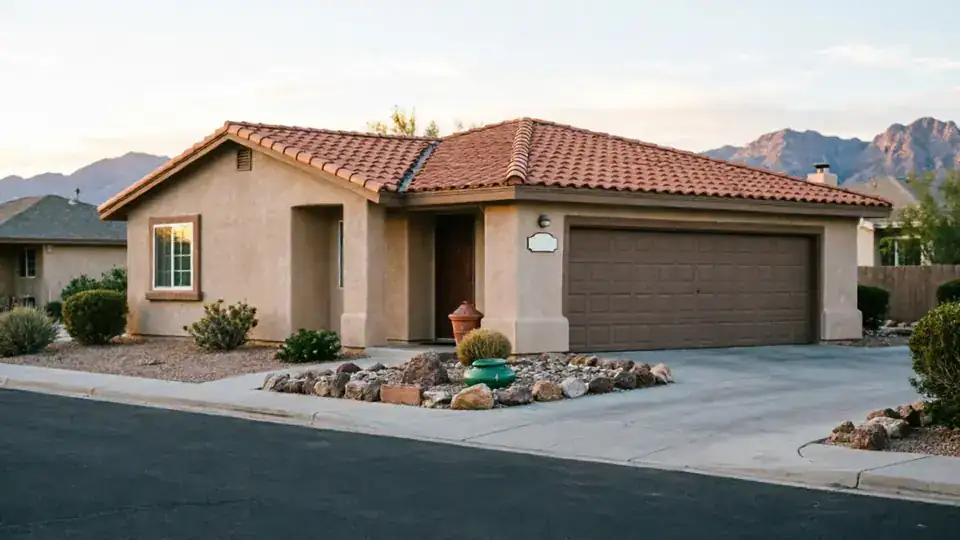
Yes, within a set radius. Sun Lakes, Sacaton, Apache Junction, and Paradise Valley are further out, so we schedule those rather than treat them as drop-in service.
How do I know if I need a repair or a full door replacement?
If the door is from the original build era of the house and multiple parts are failing around the same time - spring, cables, rollers, opener gear - replacement often costs less over a year or two than repeated repairs. A door with one isolated failure and otherwise sound hardware is usually worth fixing.