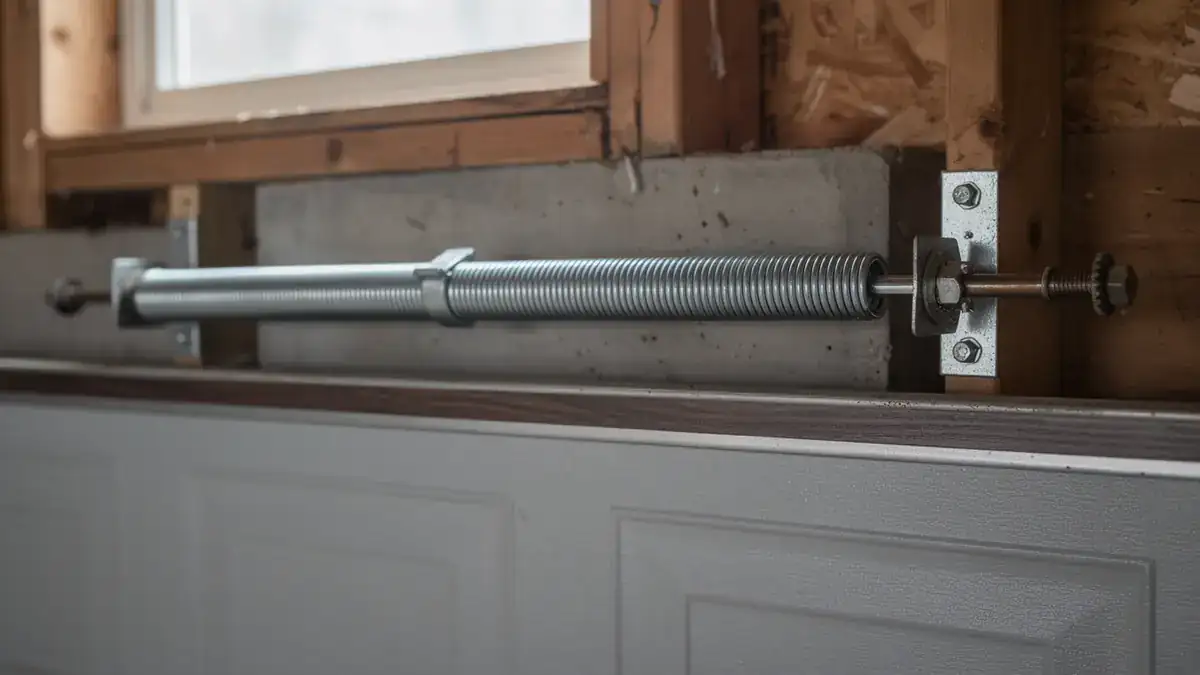
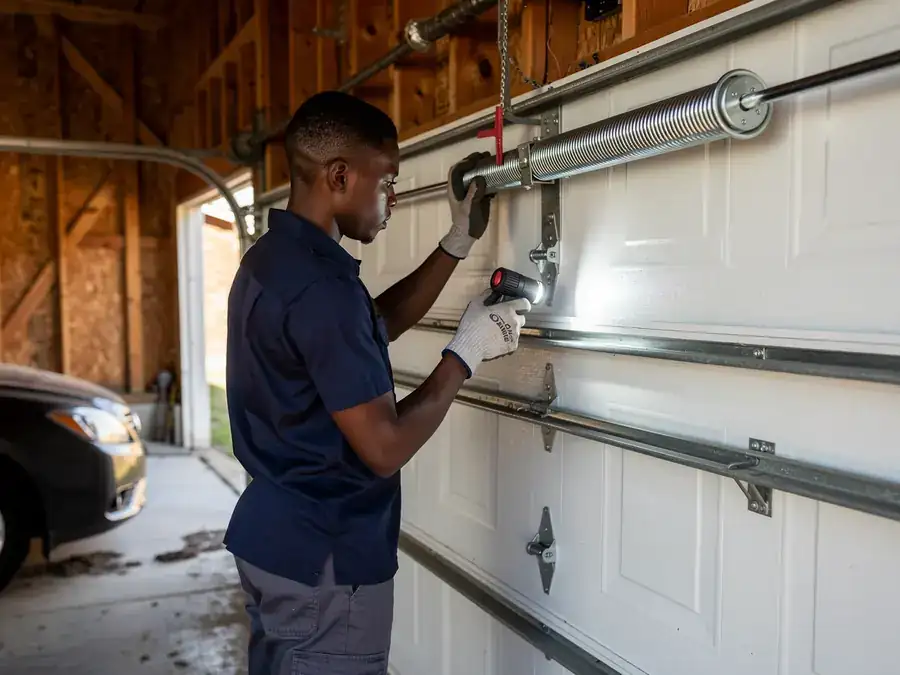
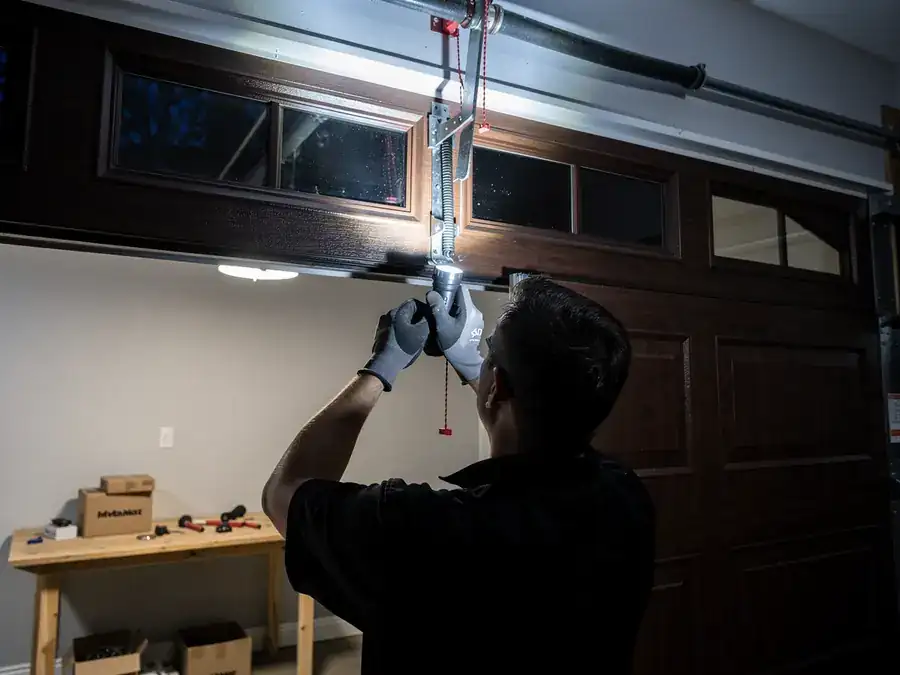
Chandler sits in a severe-heat band, and that heat doesn't just wear out people - it wears out steel. A torsion spring is wound tight and holds that tension for years, but repeated cycling through triple-digit days breaks down the factory lubricant faster than it would in a milder climate. Once the coating dries out, the coils rub metal-on-metal every time the door opens or closes, and that friction adds up to fatigue cracking you can't see from the garage floor. Most homes in this service area went up between 1985 and 1993, so a lot of original springs are three decades into a job they were rated for maybe seven to nine years. Add in a garage that sits closed and unventilated all day soaking up heat from the sun-facing wall, and you've got a spring working harder, in a hotter box, than the one in a house up north ever will. That combination - old coil stock plus sustained heat load - is the specific reason spring failure calls here cluster in summer rather than spread evenly across the year. It's not the cold that gets springs in a town like this. It's the heat doing the slow damage, then one more cycle doing the rest.