Serving Chandler, AZ & nearby
(928) 403-7175
Chandler, AZ

What a Chandler Garage Door Service Call Actually Covers

In Chandler, AZ, most houses were built 1985-1993 with original hardware now worn by extreme heat. Here's what a service call actually inspects and fixes.

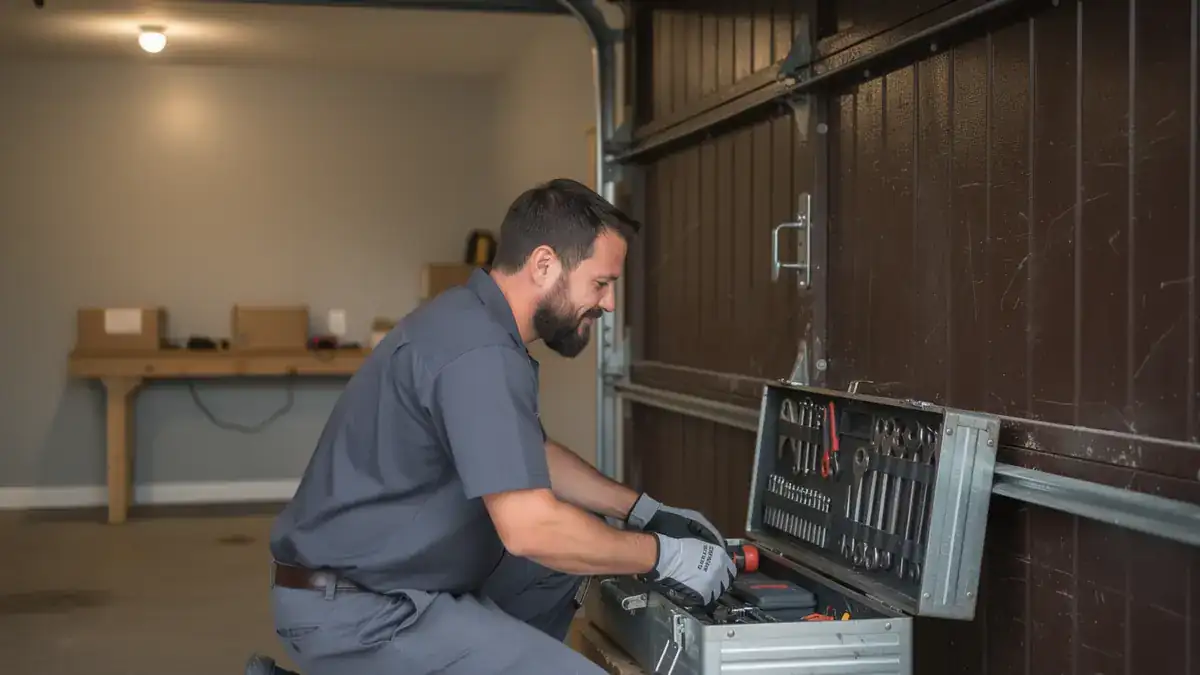
A technician kneels, opening a toolbox next to a brown garage door.

What the Weather Here Does to It

Chandler sits in a severe heat band, and that matters more to a garage door than most people think. Steel panels expand in the afternoon and contract hard after sunset, and that daily swing works on welds, hinges, and the galvanized coating on torsion springs. A spring rated for a mild climate loses tension faster here because heat cycling fatigues the coil metal quicker than cold ever does. Nylon rollers get brittle. Lubricant that would last a season somewhere cooler cooks off in a few months and leaves tracks running dry.

Most of the housing in this service area, including the stretch around went up between 1985 and 1993. That means a lot of doors and openers out there are either original to the house or on their second unit, both of which are now old enough that the hardware was speced for a different expectation of how long steel holds up under full Arizona sun. A service call here starts with the heat exposure question before it starts with the symptom, because the two are connected.

The Problem

The complaint we hear is usually simple: the door is loud, or it's slow, or it stopped halfway. The cause underneath it, in a house from the 1985-1993 era, is almost always heat fatigue stacked on top of original-spec parts that were never swapped. A torsion spring from that period is well past any reasonable service life, and the owner usually doesn't know it until it lets go. Track alignment drifts as the slab and framing move slightly with seasonal heat, and on an older house that movement has had three decades to compound.

We also see openers from that same build window still running on their original gear-and-sprocket or chain-drive units. They still work, slowly, until the motor finally can't push through a spring that's lost half its tension. By the time the door is visibly struggling, two separate parts are usually failing at once, not one.

What to Check

  1. A real service call on a house in this age bracket covers the spring first

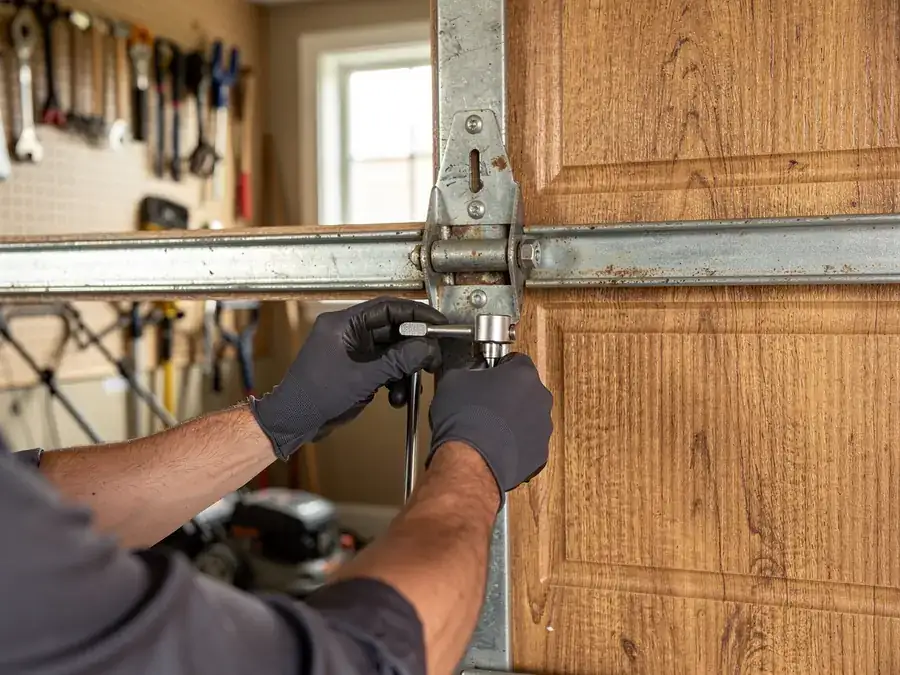
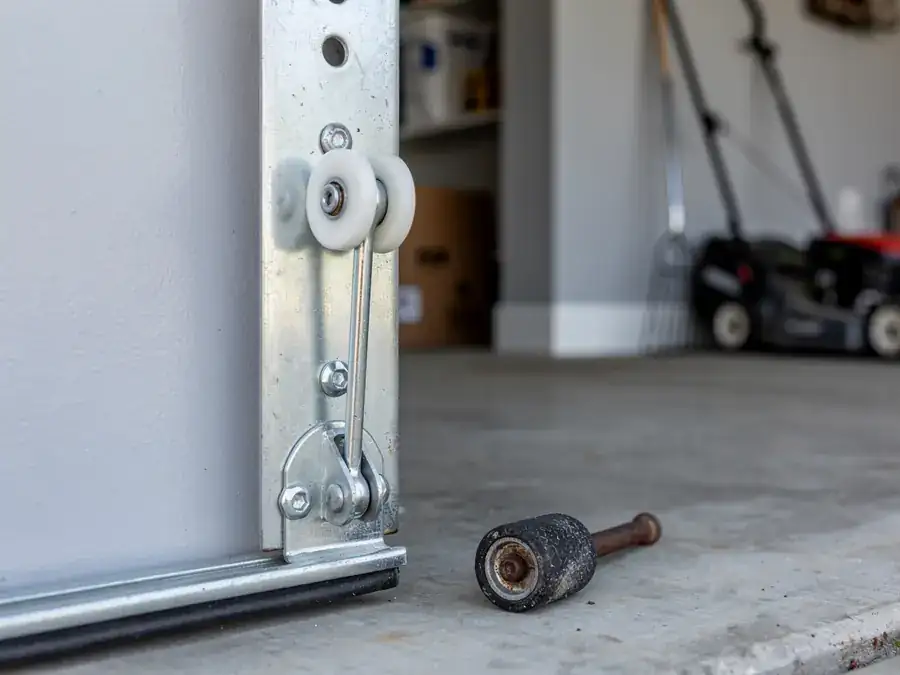
    Since that's the part heat ages fastest and the one that hurts you if it fails under load. We check coil wear, not just whether it still lifts the door. Next is the track, looking for the kind of gap or bend you get from years of thermal expansion rather than a single impact. Rollers get inspected for brittleness, a heat-specific failure mode, not just wear.

  2. Cables and the bottom bracket get a look too

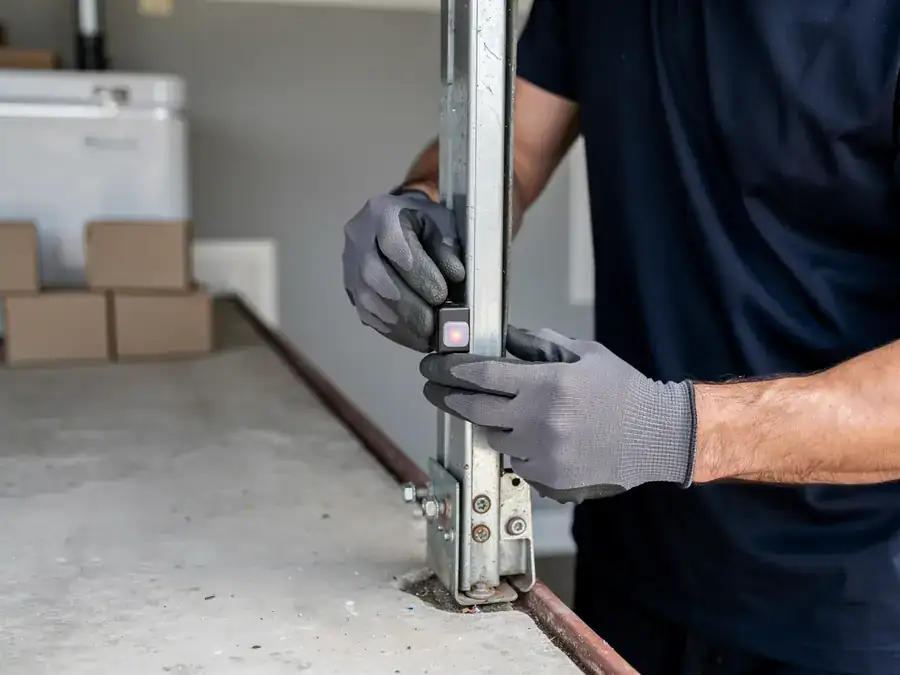
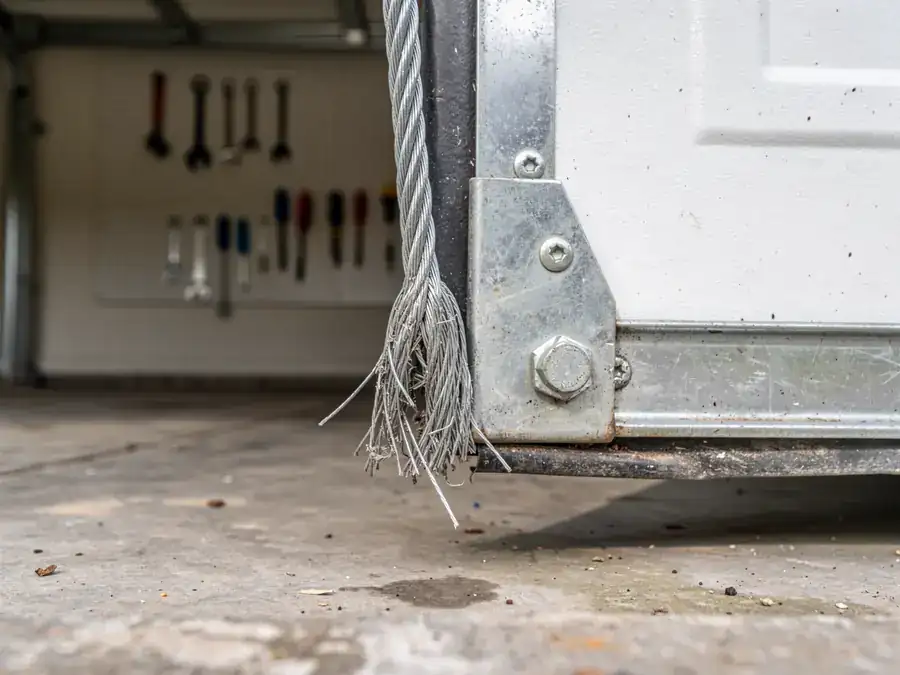
    Since frayed strands often hide at the drum end where you won't see them from the ground. Opener force settings get tested, because a unit compensating for a weakening spring will often have its force cranked up past safe limits without anyone noticing. Weatherstripping at the bottom seal matters less for weather here and more for keeping blown dust and heat out of the garage interior, which in a house this age is often attached to living space.

Where People Go Wrong

The most common mistake we see is replacing only the part that failed instead of checking what else from the same 1980s-90s install is near the end of its life. If a spring breaks on a house built in that window, the opener and the rollers were installed at the same time and have seen the same heat cycles. Fixing the spring and leaving a tired opener in place just means a second call in a year.

The other mistake is assuming a noisy door needs a new opener when it actually needs lubrication and a roller swap, which costs far less. We won't push a repair when the door and track are too far gone to be worth it, and we also won't sell an opener replacement when a spring and a can of the right lubricant solve it. Across the roughly 19,945 owner-occupied houses in this service area, the honest answer depends on which decade the hardware actually dates to, not just what's making noise.

How it works

From “it’s stuck” to “it’s fixed”

A quick, honest process - no guesswork and no surprises.

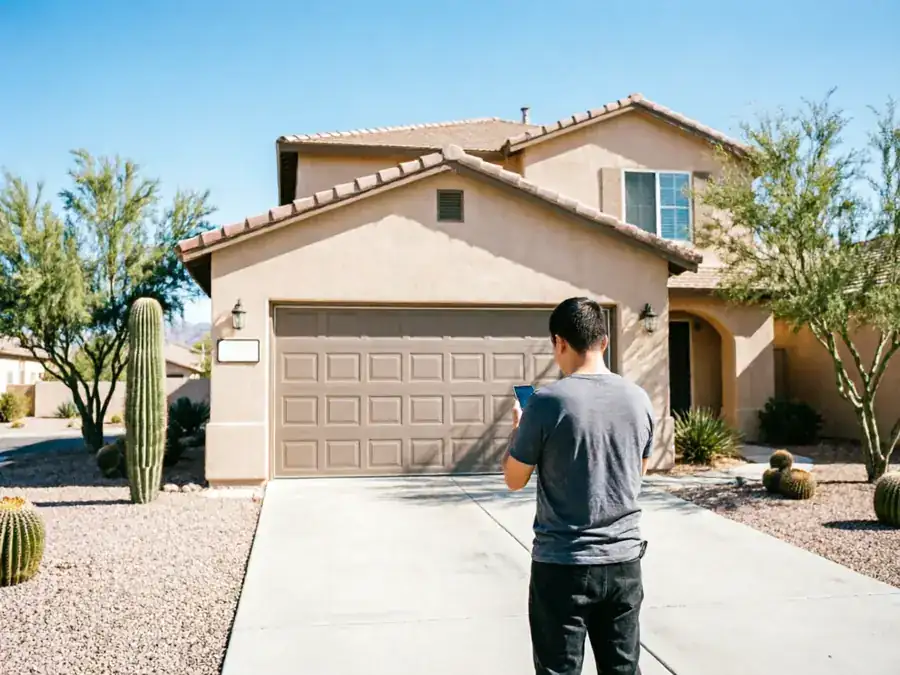
  1. A man stands in a driveway, looking at his phone, facing a closed garage door.
    1

    Tell us what’s wrong

    Describe the symptom - won’t open, loud bang, opener runs but the door won’t move.

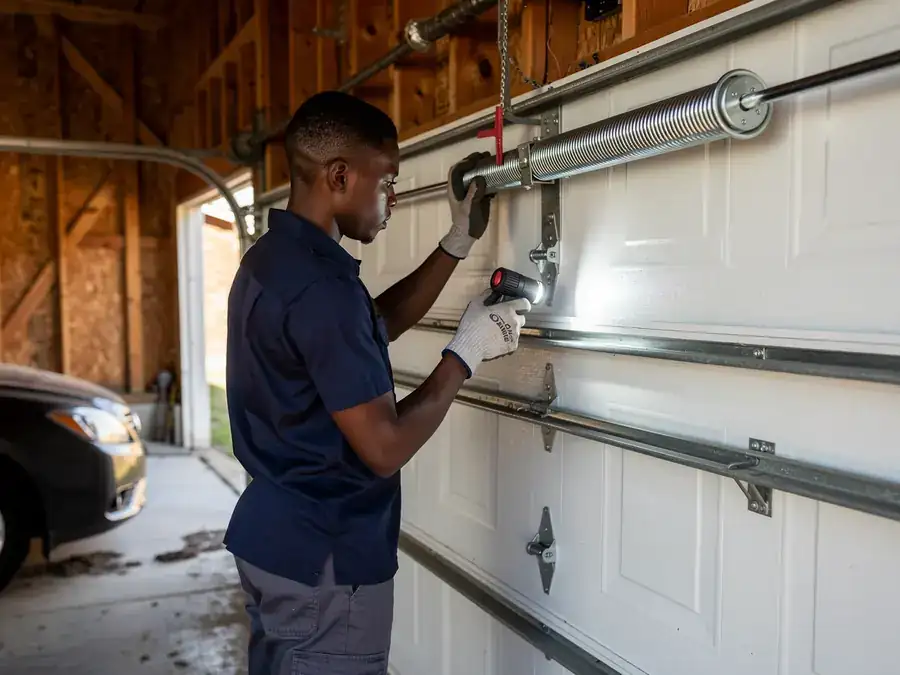
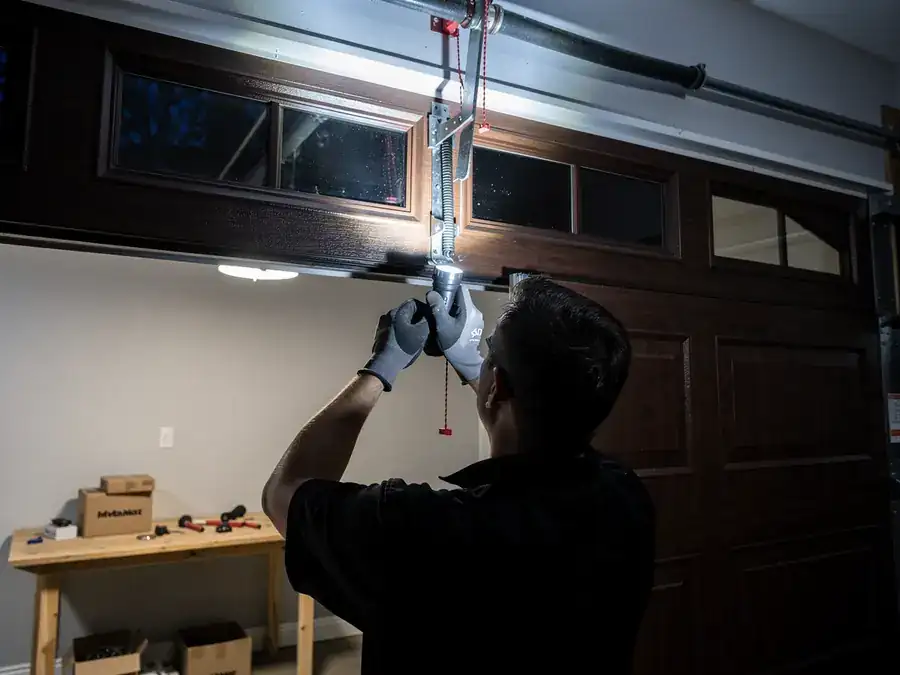
  2. A technician inspects a garage door torsion spring with a flashlight.
    2

    On-site diagnosis

    A technician tests the door under power and by hand and finds what actually failed.

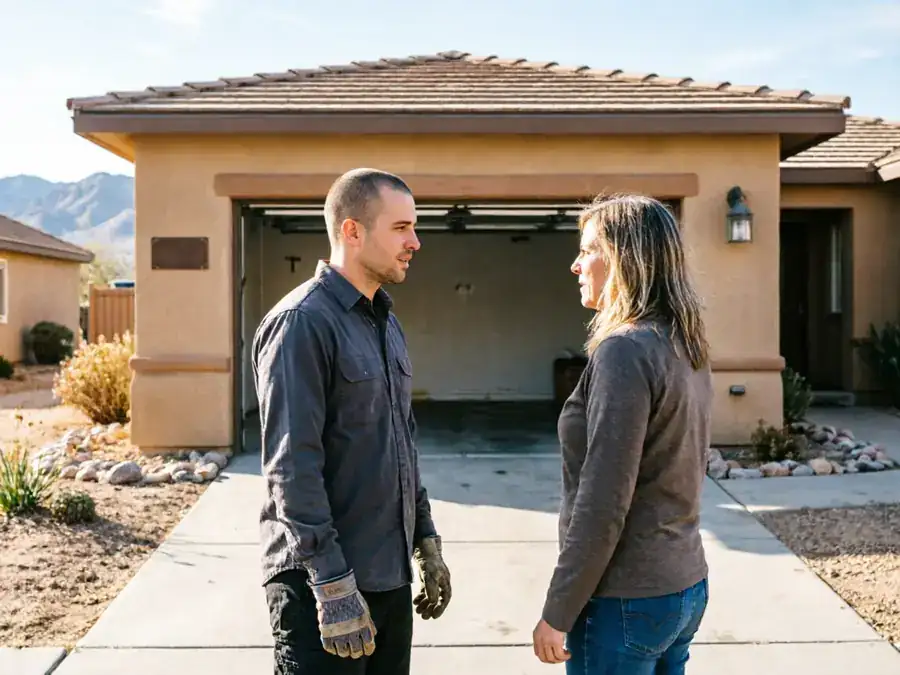
  3. A technician and a woman stand in a driveway in front of a garage.
    3

    Clear, up-front plan

    You get the fix that’s needed and what drives the cost - before any work starts.

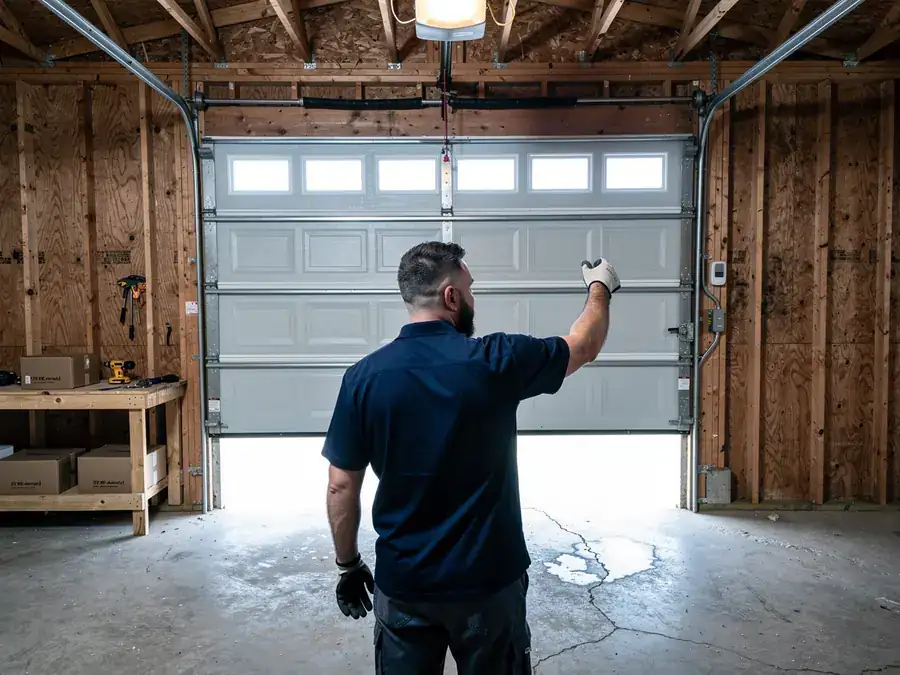
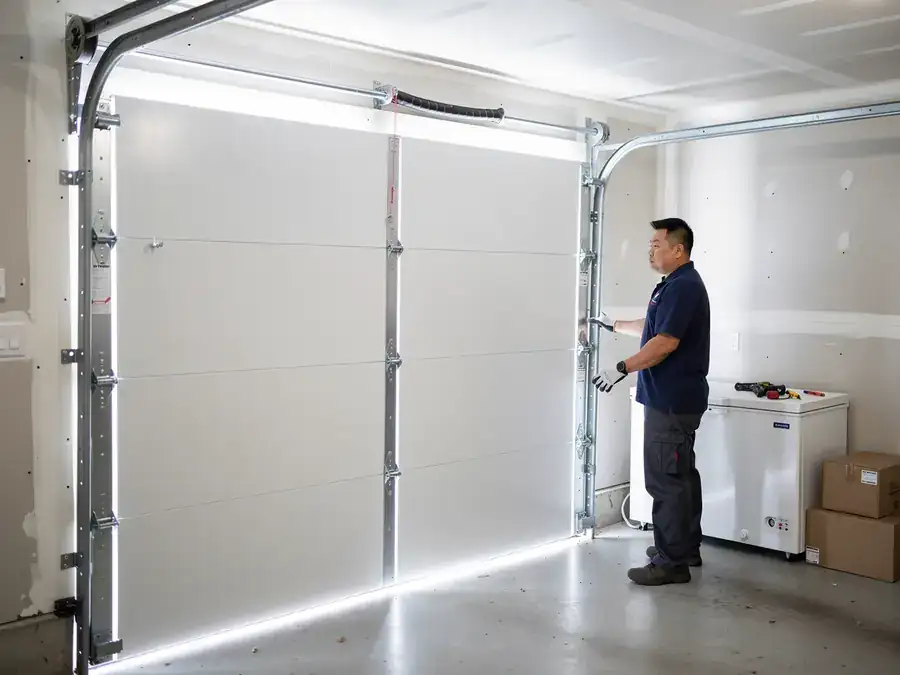
  4. A technician stands in a garage looking at an open garage door.
    4

    Repaired & tested

    The repair is done, the door is set true and tested, and the work area left clean.

Not sure which repair your door needs in Chandler, AZ? Describe what it’s doing - every job starts with a diagnosis.

How we work

What to expect

Diagnosis firstEvery visit starts by finding what actually failed - not a pre-written parts list.
The right part for the doorSprings and openers matched to the door’s weight and age, so the fix holds up.
Straight answersWhen a repair makes more sense than a replacement - or the reverse - you hear it plainly.
Clean, careful workTension released safely, hardware set true, the door tested under power before we leave.
What we do

Garage Door Services

Repair and installation work for Chandler homes and businesses.

Questions

Frequently asked

Straight answers about garage door repair in Chandler. Still unsure? Ask us directly.

Why does my garage door spring keep breaking in Chandler?

Heat cycling is the main driver. Springs here go through bigger daily temperature swings than in milder climates, and that fatigues the coil metal faster. A spring that might last years elsewhere can wear out sooner in this severe heat band, especially if it's original to a house built in the 1985-1993 window.

How often should I have my door serviced given the age of houses around here?

Since most homes in this service area date to 1985-1993, the hardware is old enough that an annual check makes sense even without symptoms. We look at spring tension, roller condition, and opener force settings together, since heat tends to age all three at a similar rate.

Is it worth repairing an old opener or should I replace it?

If the opener is from the original install and already struggling, repairing it usually just delays a replacement you'll need soon anyway. We'll tell you honestly when a repair isn't worth the cost versus putting in a new unit matched to the door.

Ready to get your garage door sorted?

Tell us what it’s doing and where you are in Chandler - we’ll take it from there.

Request a QuoteCall