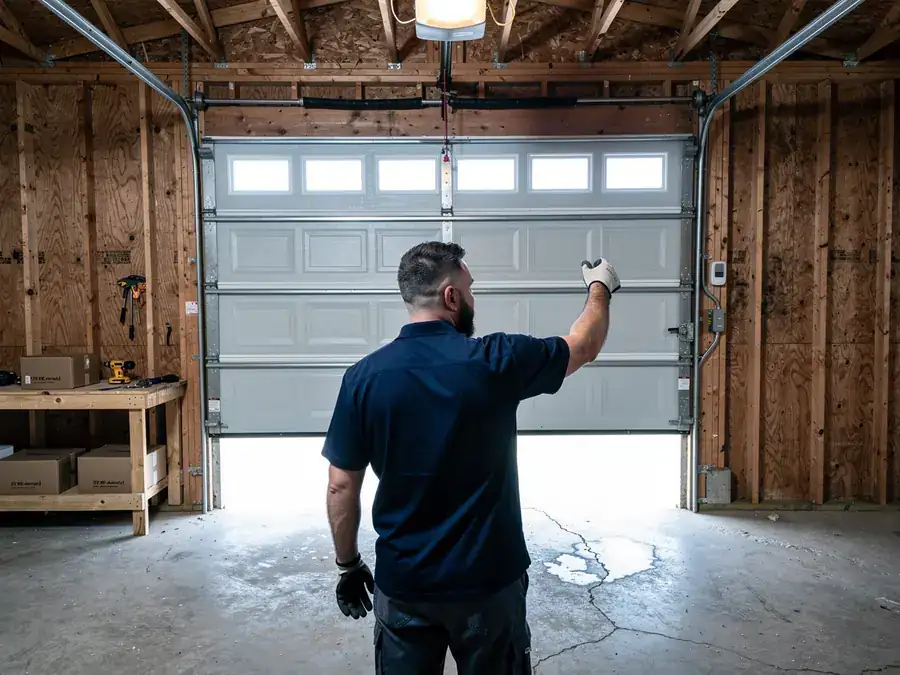
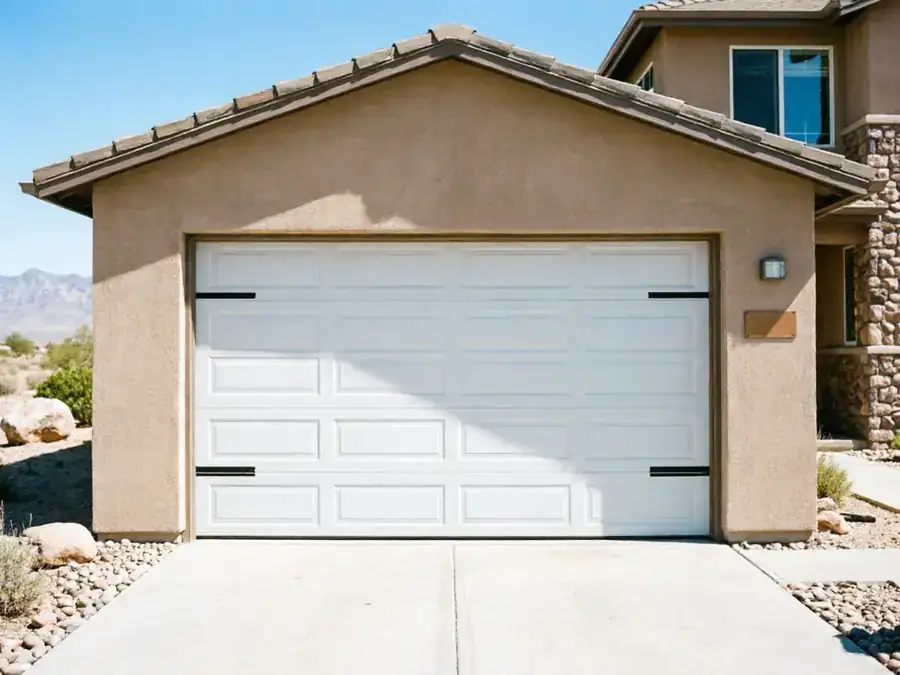
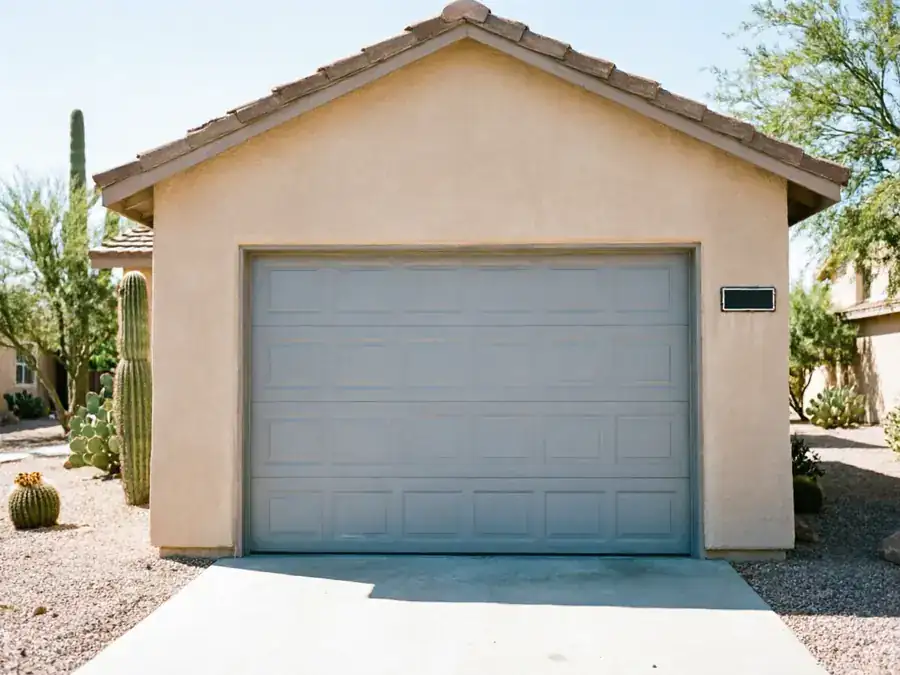
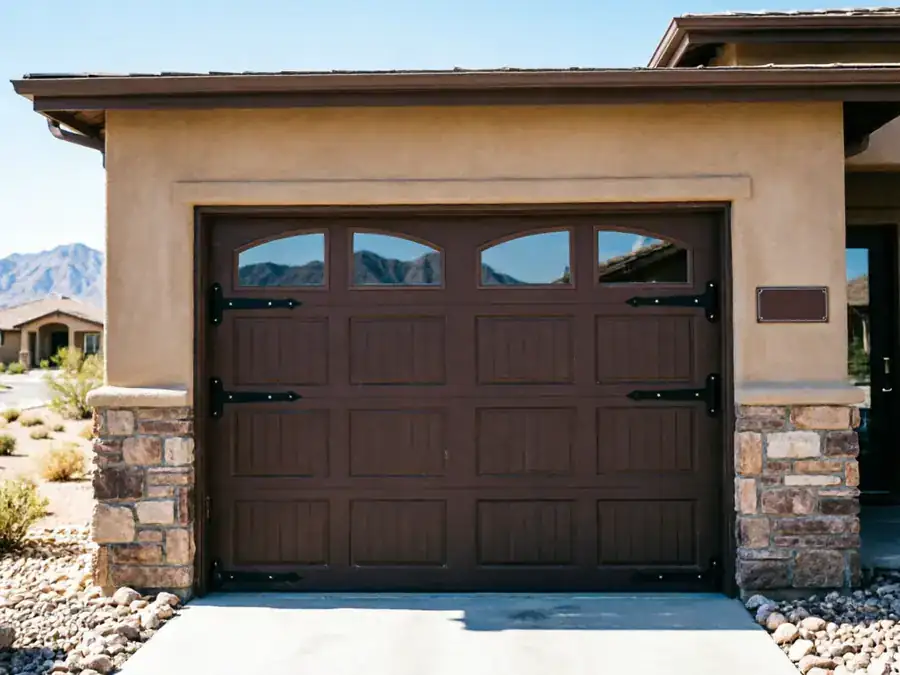
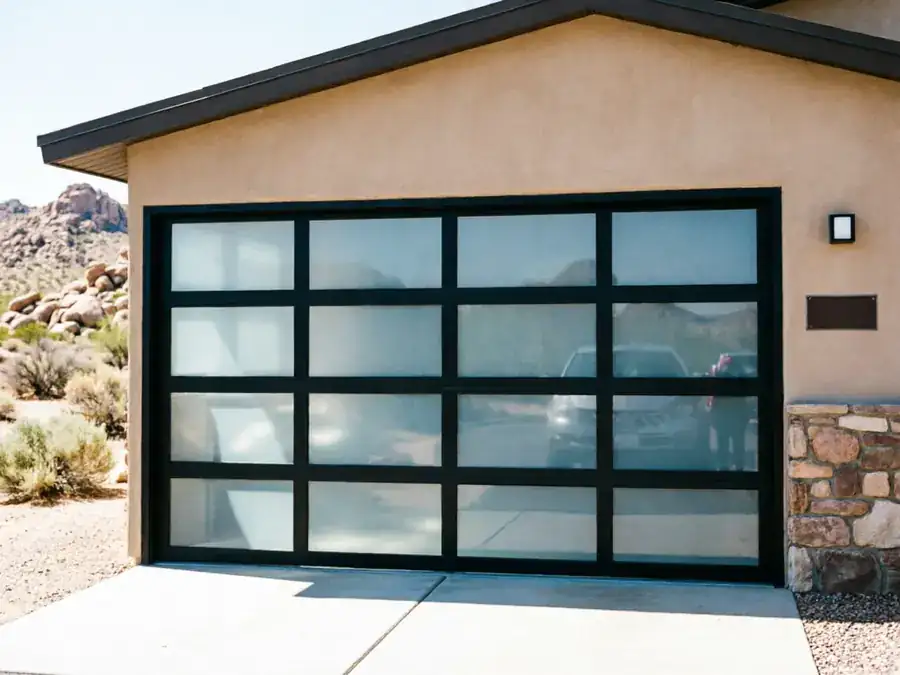
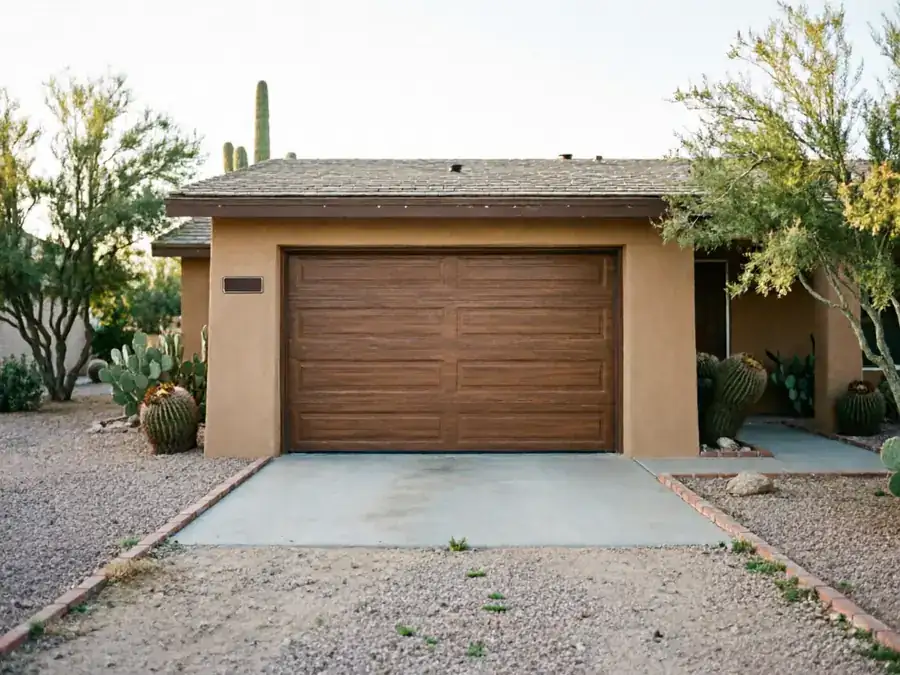
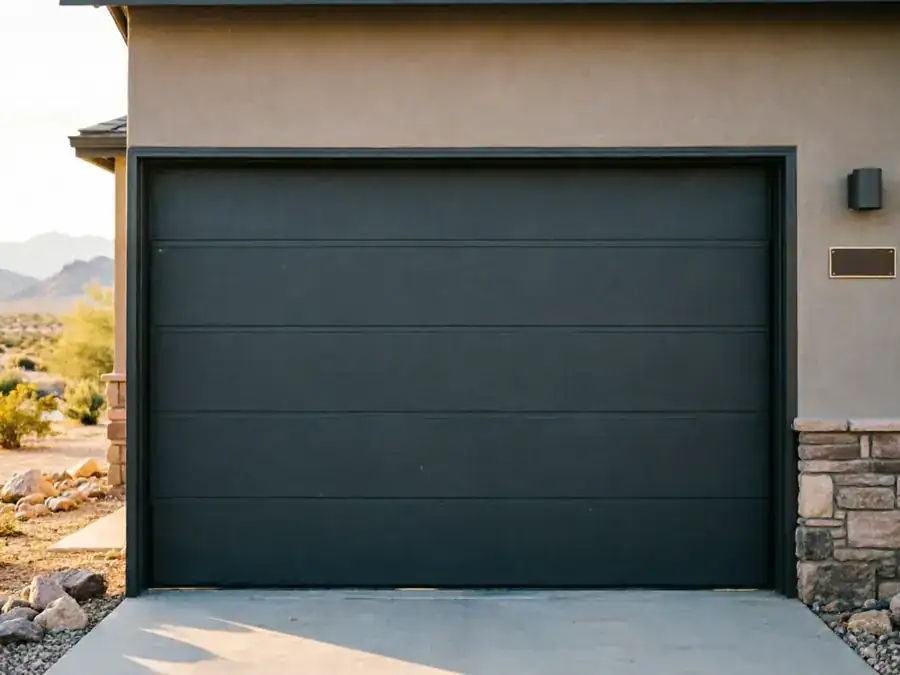
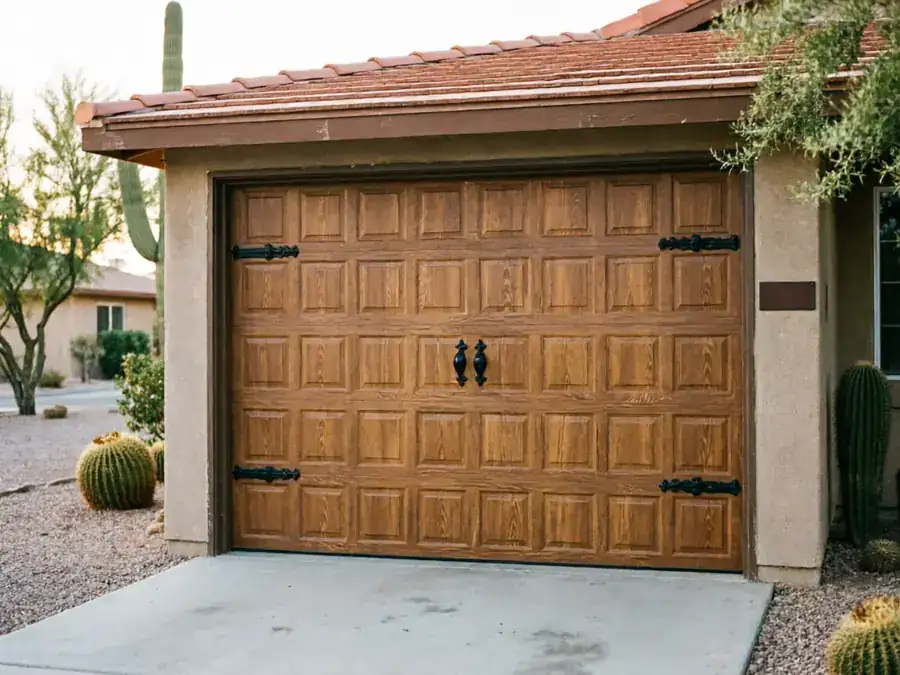
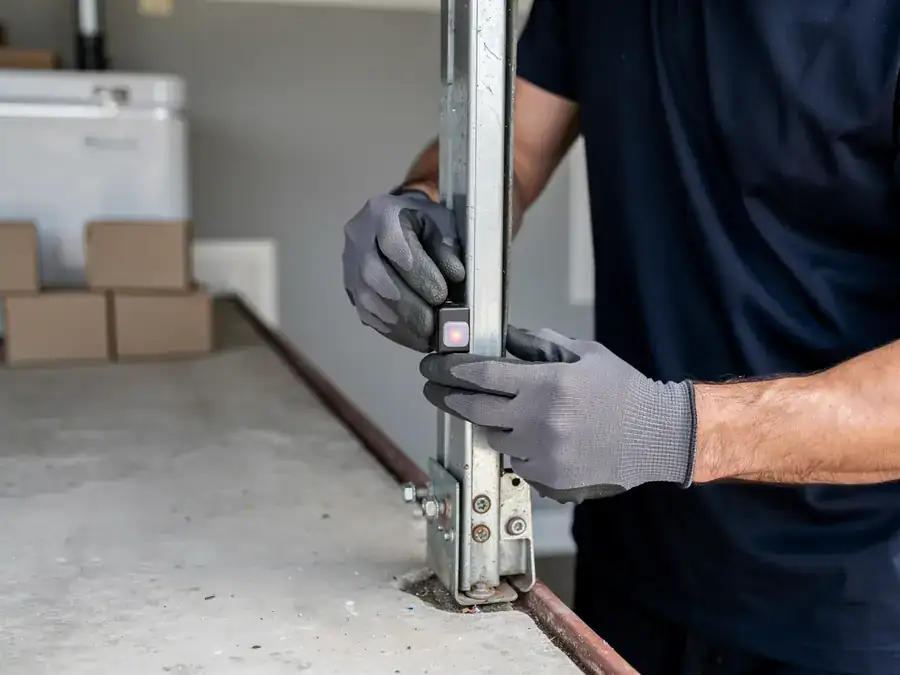
Call or request a visit and we'll come look at the opening itself before quoting anything. Door width, headroom, and whether the track runs standard or low-headroom all change what fits. If your house is one of the many in this area built between 1985 and 1993, there's a decent chance the framing and track clearance were sized for an older, thinner door - so we measure instead of guessing off the old unit's label. We'll walk through steel gauge, insulation level, and opener options on site, and leave you a written number before any work starts. One thing we don't do: same-day installs on custom sizes or wood-look composite doors, since those come from the manufacturer on their own schedule, not off our truck.
What the Fix Involves
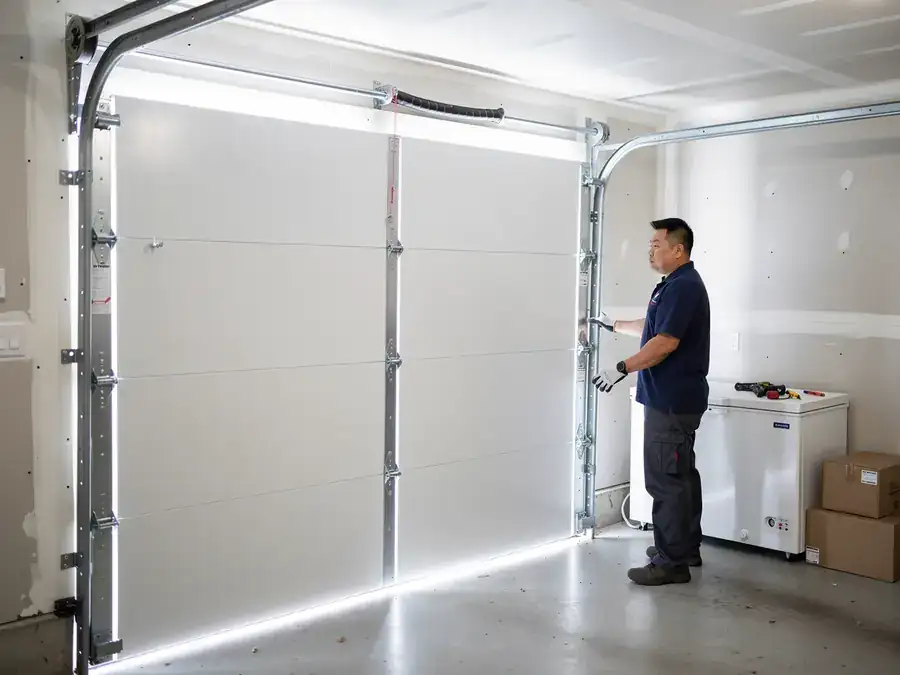
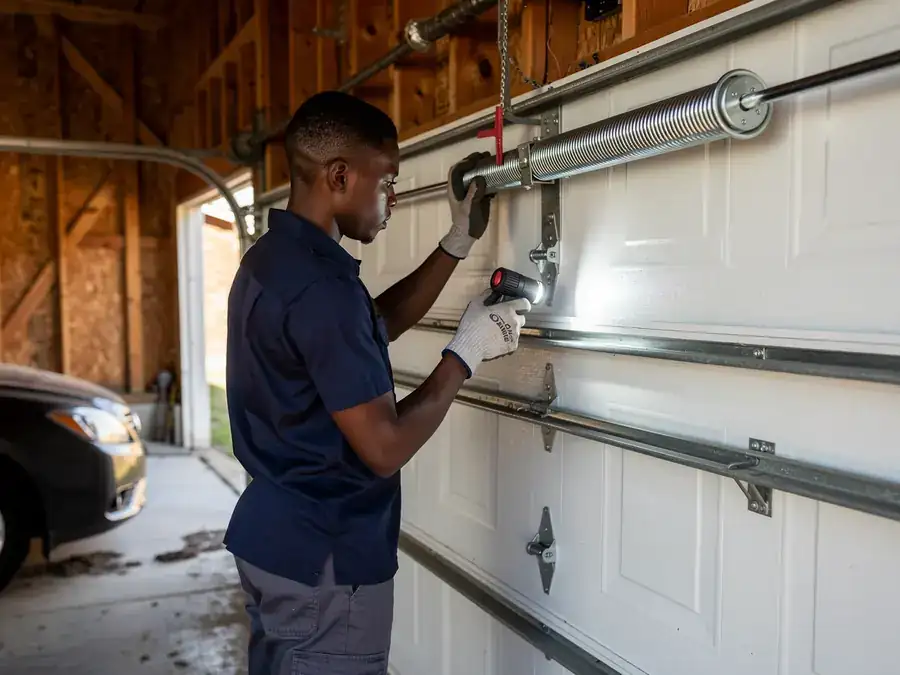
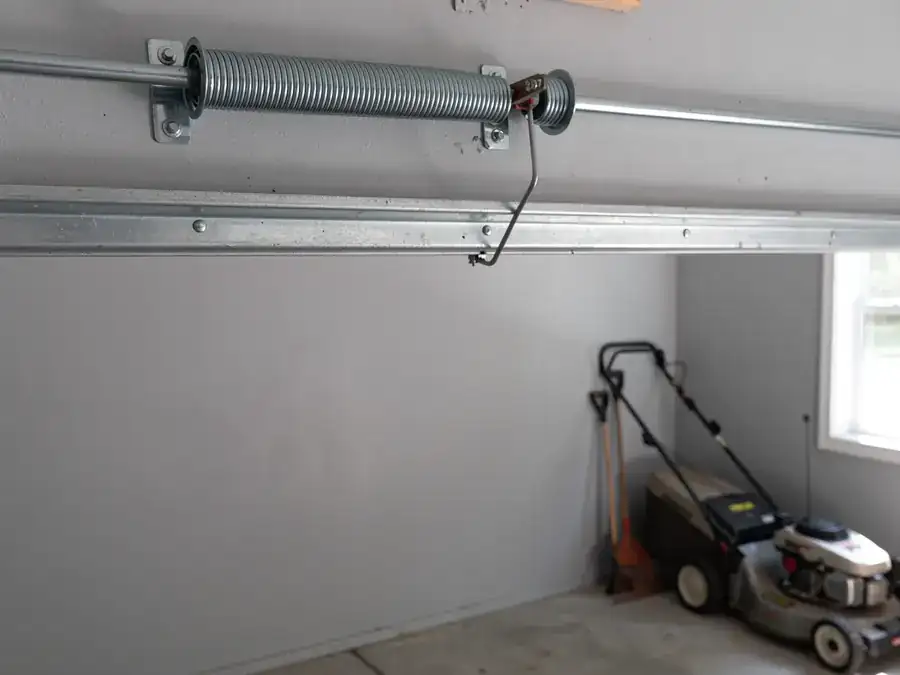
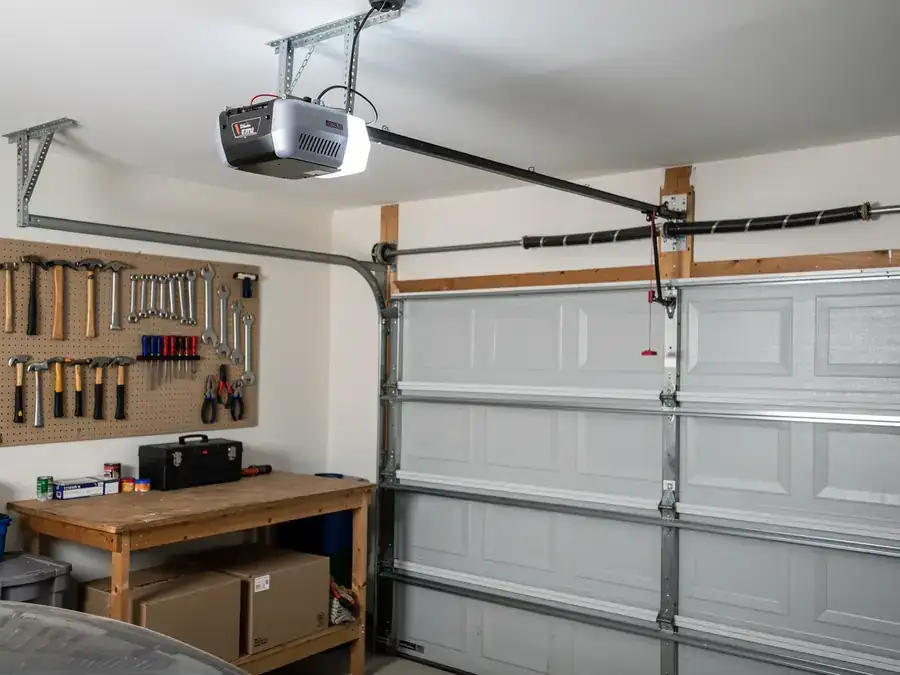
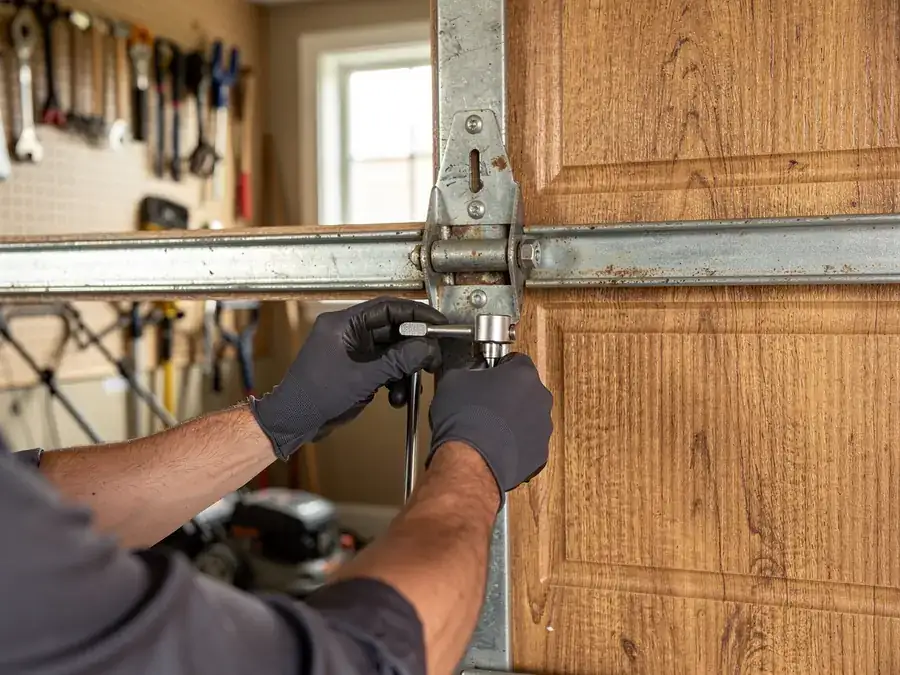
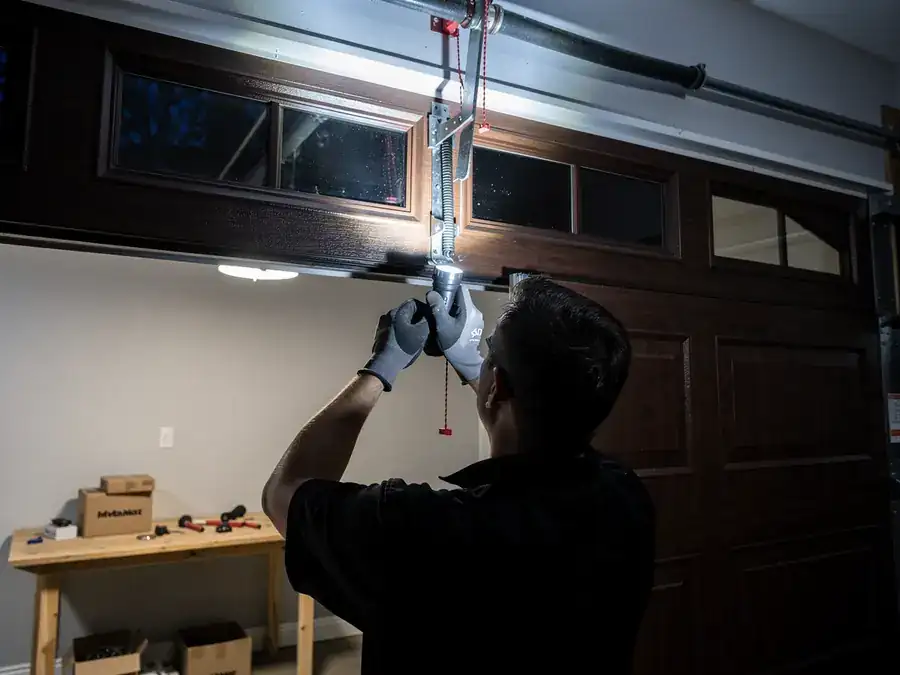
A full install means pulling the old door, track, and usually the opener, then setting new vertical tracks, springs sized to the new door's actual weight, and a steel or insulated steel panel door sealed against the slab. In this part of the valley, we default to insulated doors with a thermal break at the panel seams - on a west-facing garage that sits right off an unconditioned space, that insulation is doing real work most of the year, not just in July. We torque the torsion spring to the new door's weight (not the old one's), set opener force and travel limits to match, and test the auto-reverse safety sensors before we leave. If the opener is original to the house, we replace it rather than rewire it to a newer door - mismatched force settings on an old opener are how fingers get pinched and panels get cracked.
The Symptom
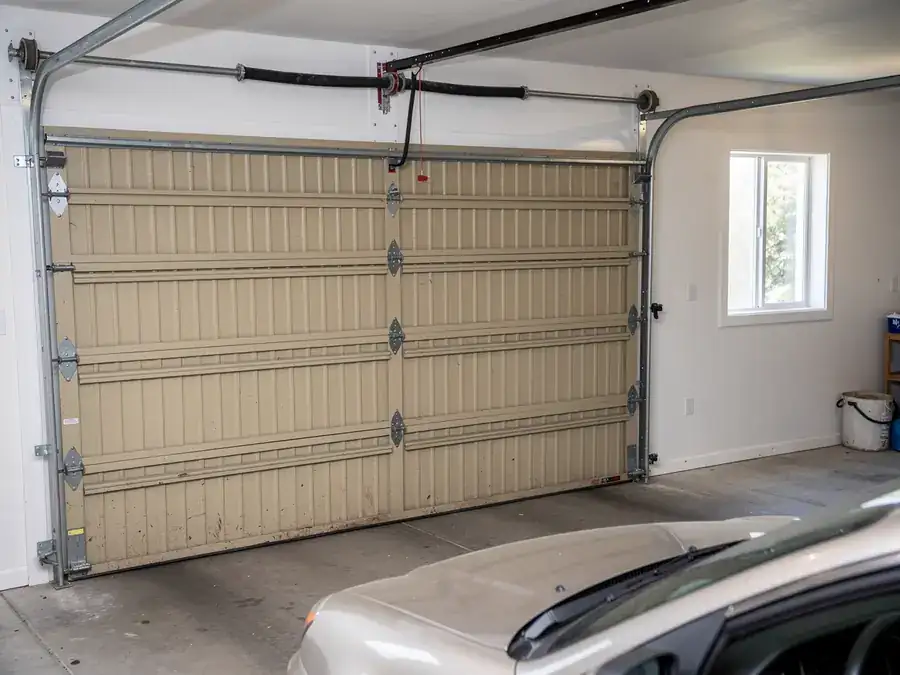
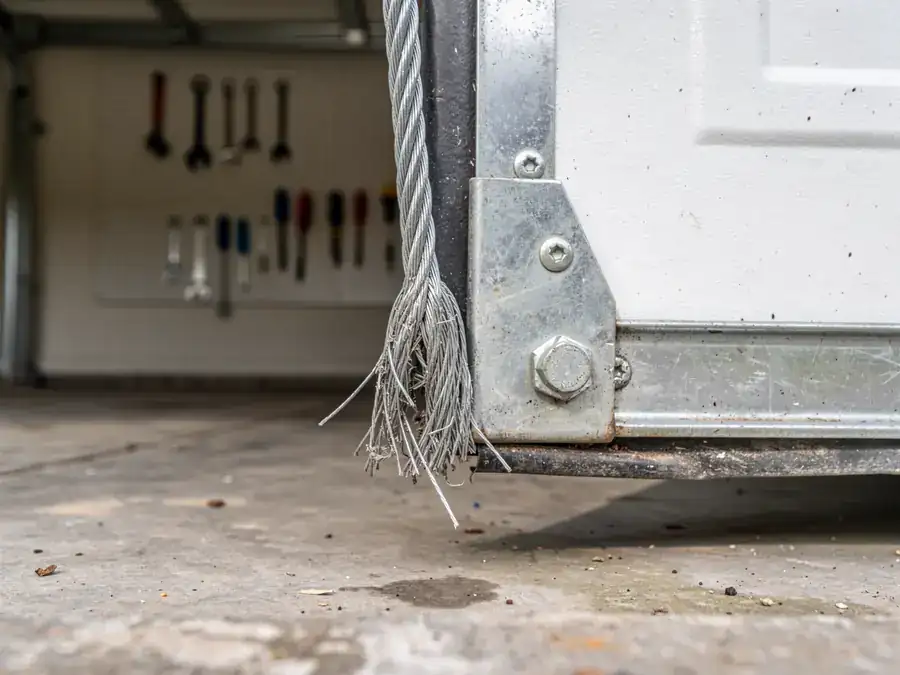
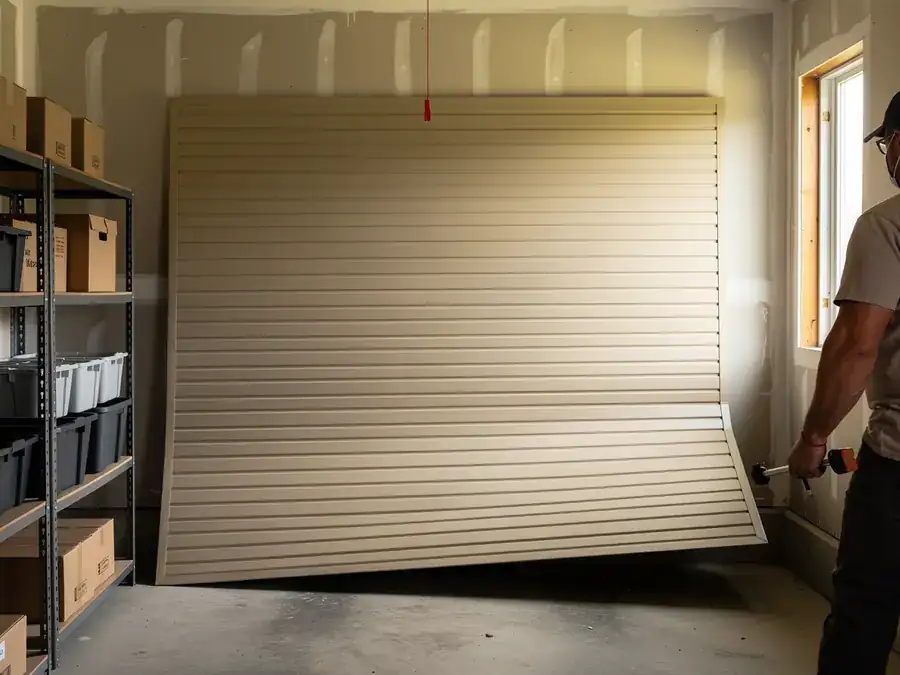
Most installation calls here don't start as installation calls. They start as a door that's gone heavy to lift by hand, a panel that's bowed or delaminating at the bottom where years of sun have cooked the glue line, or an opener that strains, reverses, or just quits mid-cycle. Across the 1980s and 90s construction that makes up most of this service area, those symptoms show up together because the door, springs, and opener are usually all original and all aging out at once. A single cracked panel on a door that's otherwise sound is a repair. A door with sagging panels, a pitted track, and an opener motor that smells hot when it runs is past the point where patching one part buys you much time.
What Causes It Around Here
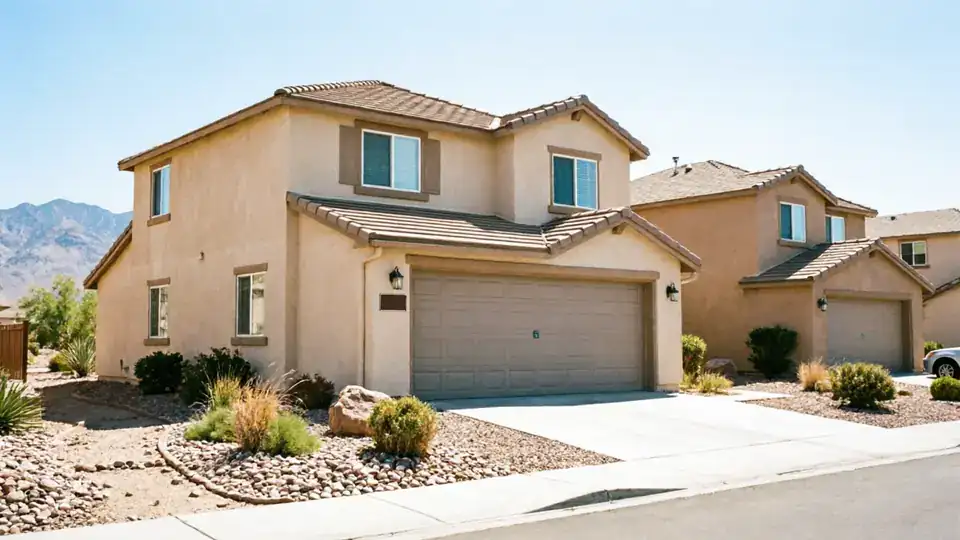
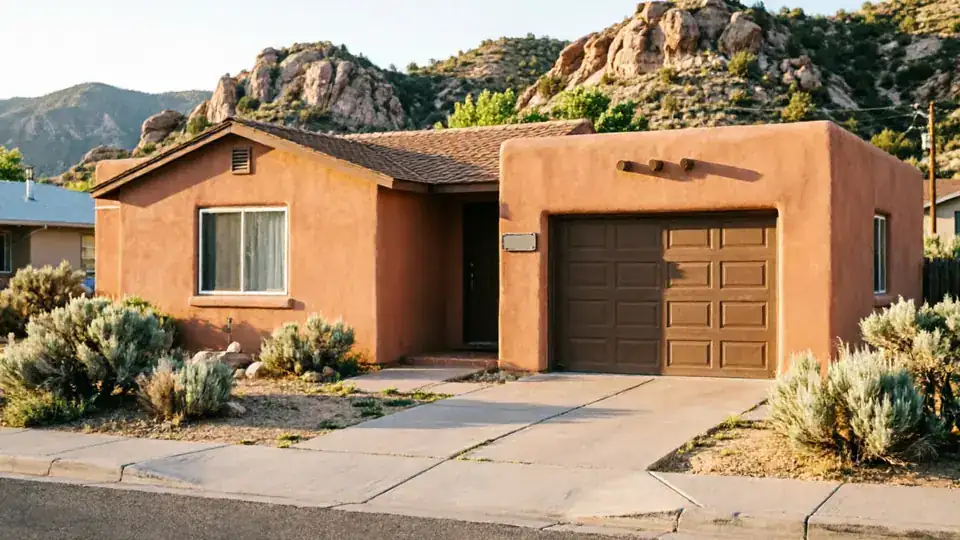
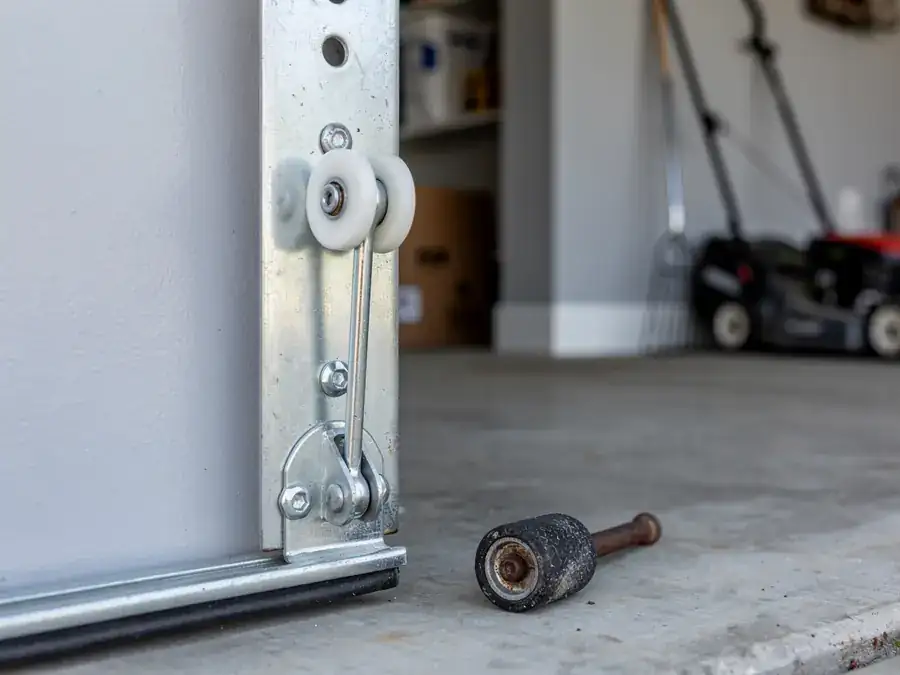
The housing stock driving most of our installation work dates to 1985 through 1993, concentrated across four main pockets of that same build era - stretches near just three miles south and toward four miles northeast sit in that same window. Thirty-plus years of severe summer heat is hard on garage doors specifically: steel skins expand and contract daily, foam-core insulation delaminates from the panel face, and nylon rollers and plastic idler bearings get brittle and crack. With close to 19,945 owner-occupied houses in this area built in that same stretch, a lot of garages are reaching that failure point in the same few years rather than spread out randomly. At a median household income of $63,545 across the service area, most owners we talk to are choosing a solid insulated steel door in the mid-tier range rather than the premium wood-look lines - it holds up to the heat and doesn't carry the cost of a specialty finish.
How it works
From “it’s stuck” to “it’s fixed”
A quick, honest process - no guesswork and no surprises.
1
Tell us what’s wrong
Describe the symptom - won’t open, loud bang, opener runs but the door won’t move.
2
On-site diagnosis
A technician tests the door under power and by hand and finds what actually failed.
3
Clear, up-front plan
You get the fix that’s needed and what drives the cost - before any work starts.
4
Repaired & tested
The repair is done, the door is set true and tested, and the work area left clean.
Not sure which repair your door needs in Chandler, AZ? Describe what it’s doing - every job starts with a diagnosis.
Straight answers about garage door repair in Chandler. Still unsure? Ask us directly.
How do I know if I need a new door or just a repair?
If the springs, track, and opener are original and the door is cosmetically rough - sagging panels, cracked seams, a motor that labors - replacement usually costs less over time than chasing one failure after another. A single bent panel on an otherwise sound door is worth repairing instead.
Will a new door fit my existing track and opener?
Sometimes, but we check rather than assume. Homes built in the 1985-1993 window often have headroom and track spacing sized for the original door's weight, so a heavier insulated replacement can need new springs and sometimes a new opener to run safely.
Why do you push insulated doors so much here?
Because the climate here runs severe summer heat for months at a time, and an uninsulated steel skin transfers a lot of that heat straight into the garage. An insulated panel with a thermal break stays noticeably cooler to the touch and holds up better long-term.
What's the one thing you won't do on an install?
We won't install a custom-sized or specialty wood-look door same-day - those ship from the manufacturer on their own lead time, not off our truck, so we quote the wait honestly up front.