Emergency Garage Door Repair for Paradise Valley Homes
Fast, honest emergency garage door repair for Paradise Valley homeowners, a smaller pocket of our Chandler-based service area with its own housing age and heat demands.
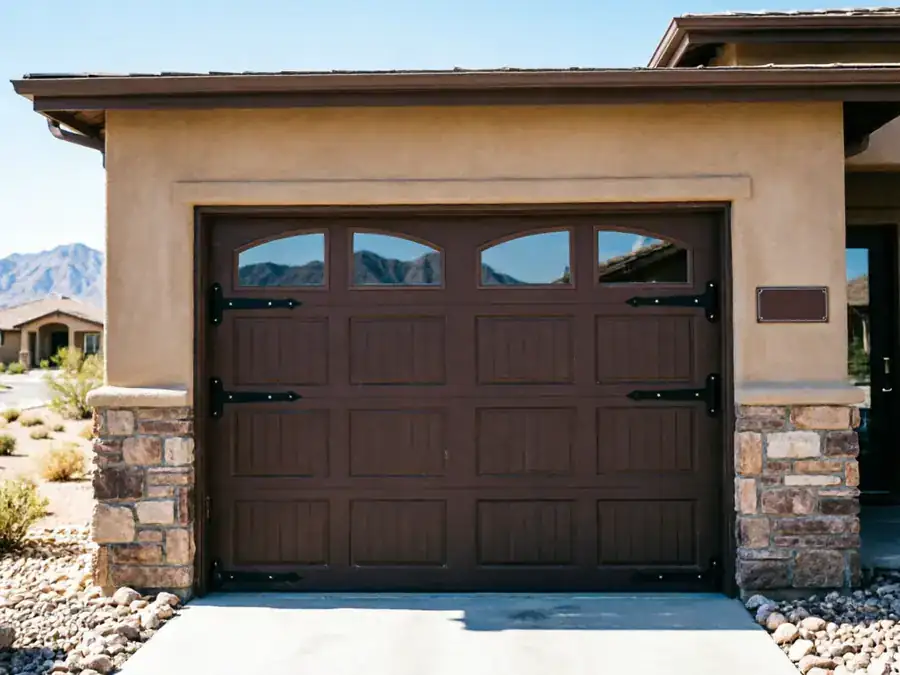
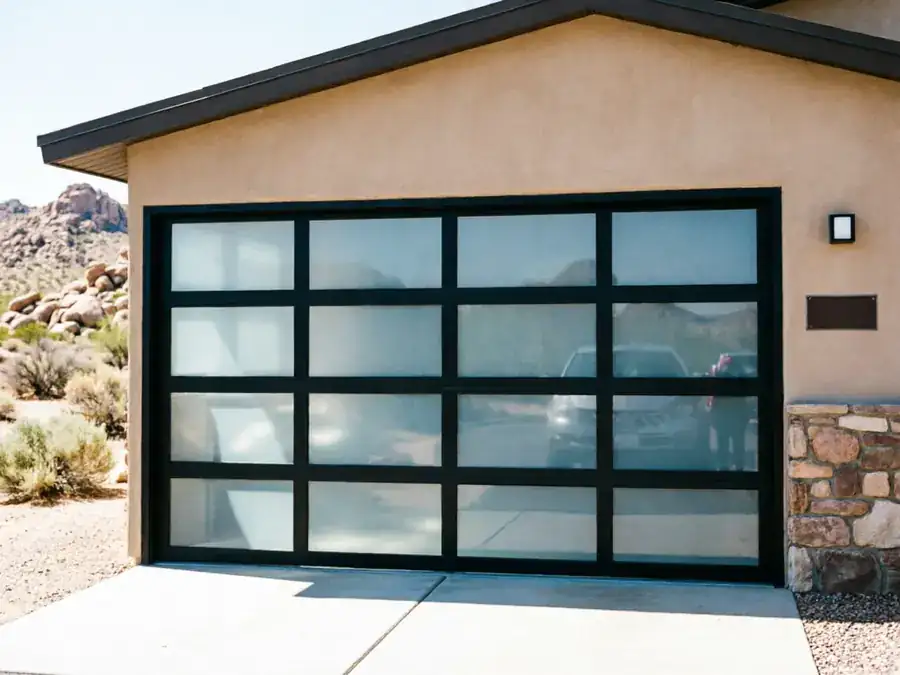
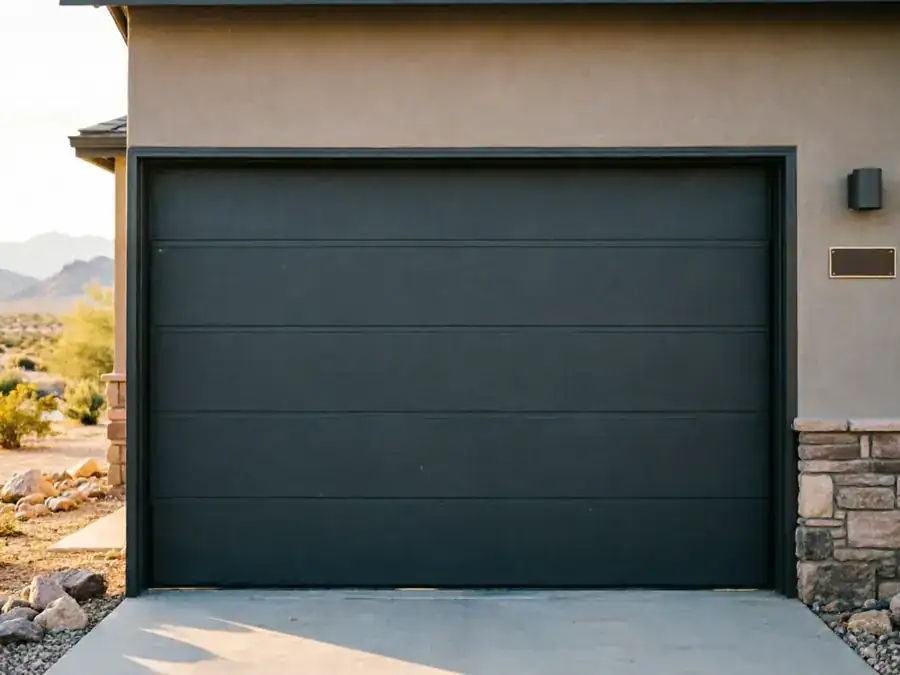
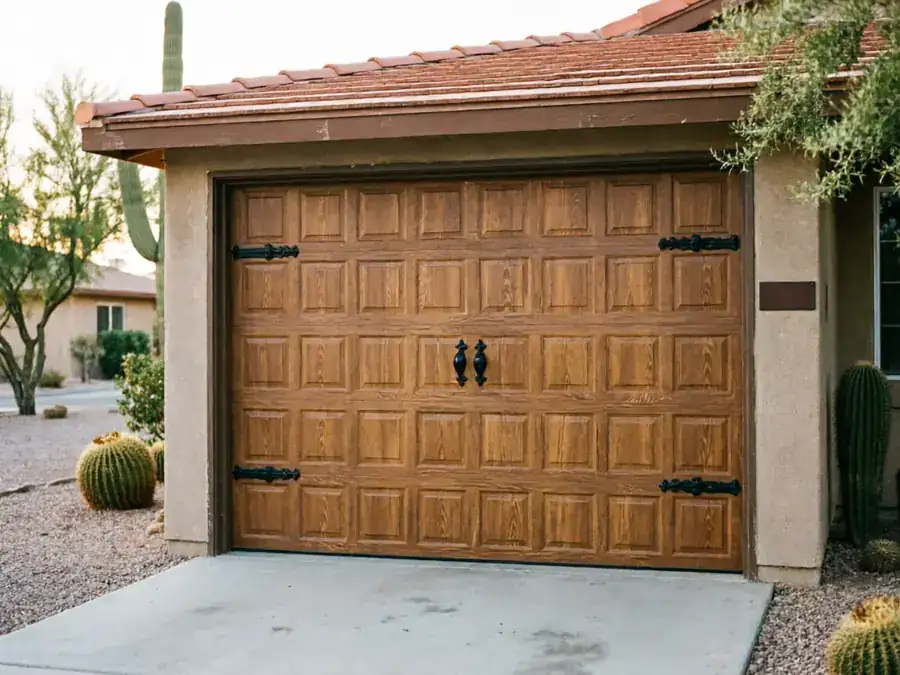
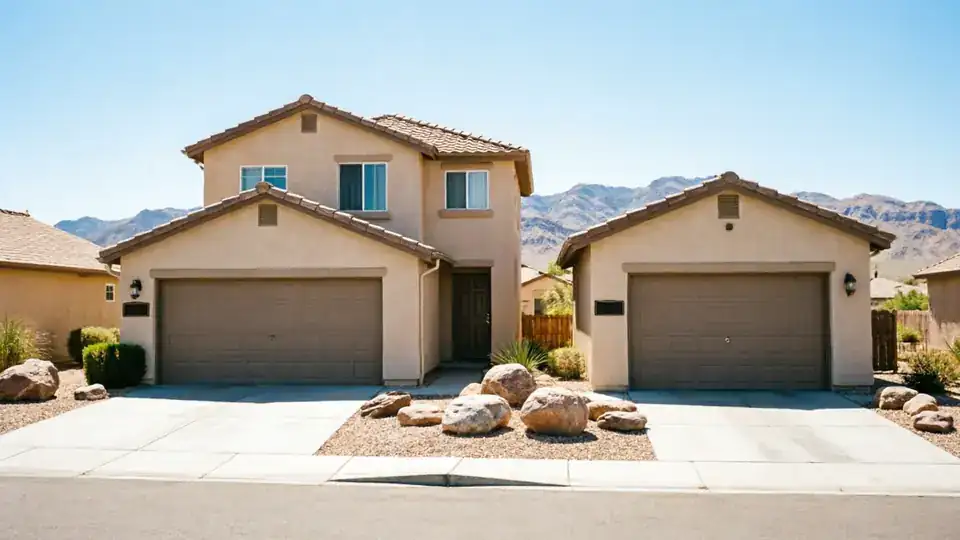
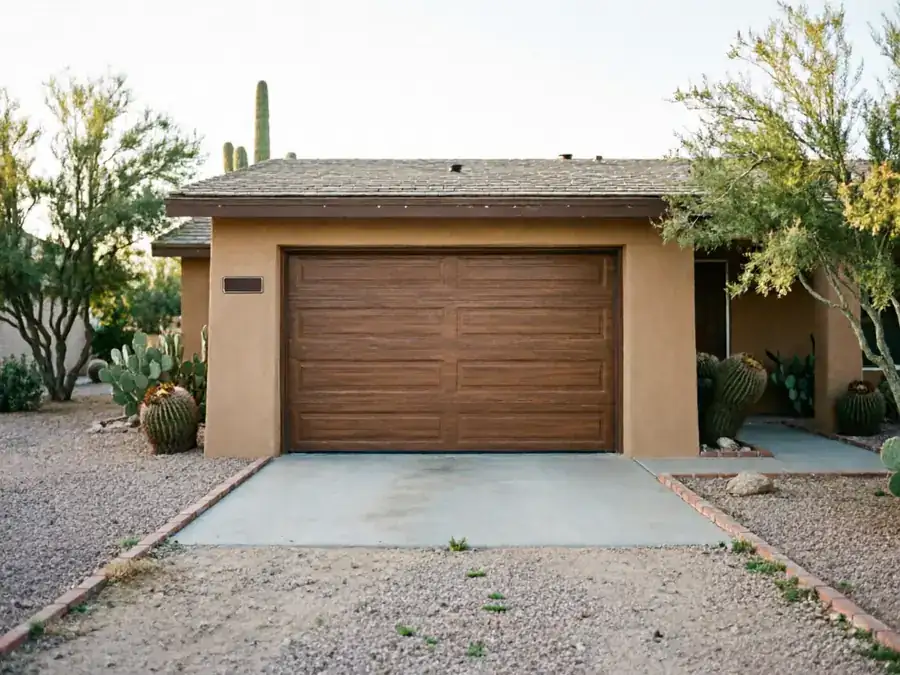
Paradise Valley runs about 4,972 households, a small slice next to the 32,281 households spread across our wider Chandler-based service area. A smaller pocket means fewer calls come from here on any given week, but the ones that do come in tend to share a pattern. Most houses in this area went up around 1985, close to the early edge of the 1985-1993 build window that covers this region's housing stock. That means original torsion hardware, side-mounted and sized for doors nobody makes the same way anymore. Add in the severe summer heat this whole area sits in, and you get nylon rollers that go brittle, lubricant that cooks off steel cables, and springs that have cycled through more expansion and contraction than they were built for. One more thing worth knowing: the median household income here runs $236,250, well above the $63,545 median across the broader service area. That income gap shows up in the garages themselves - more insulated doors, more custom overlay panels, less of the stamped-steel standard you'd find elsewhere. It changes what breaks and what it takes to fix it.
Doing It Yourself
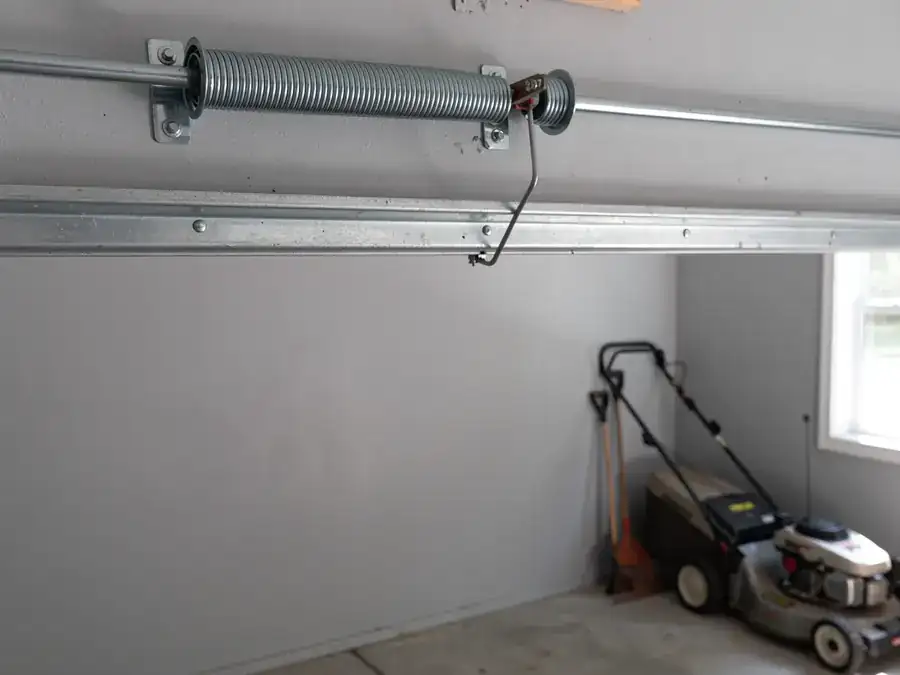
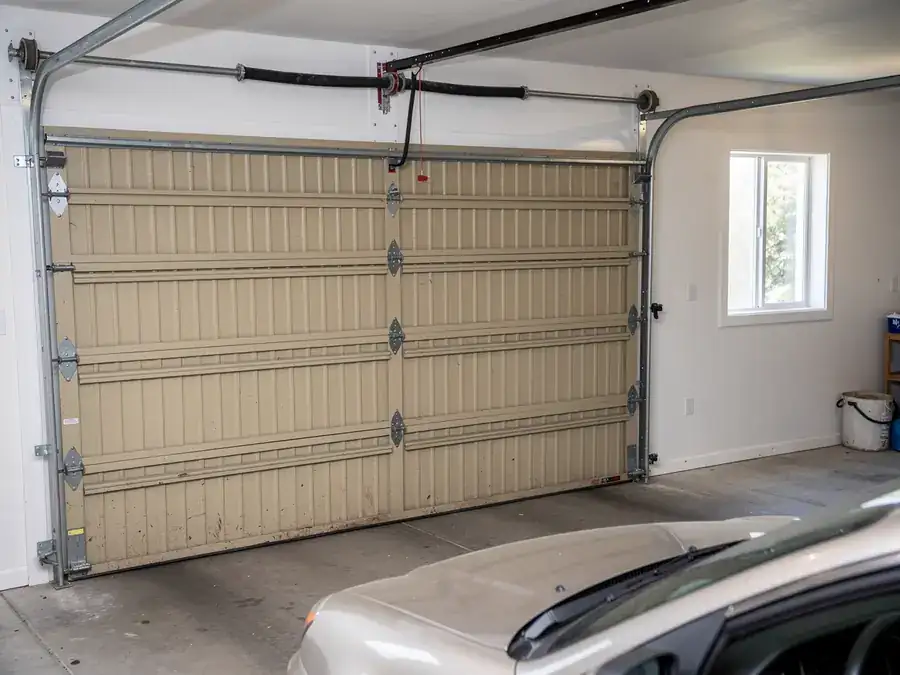
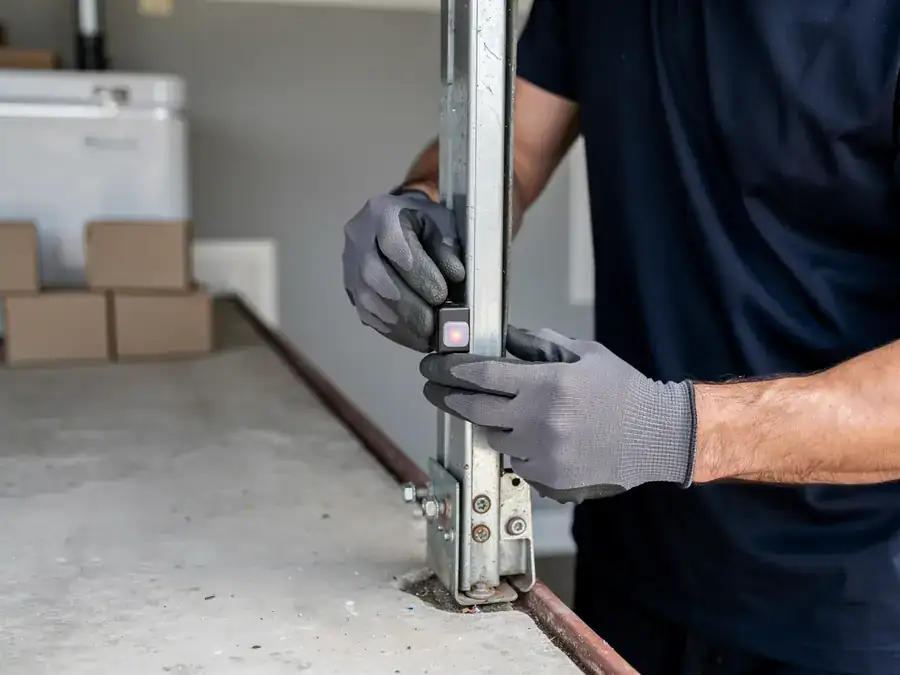
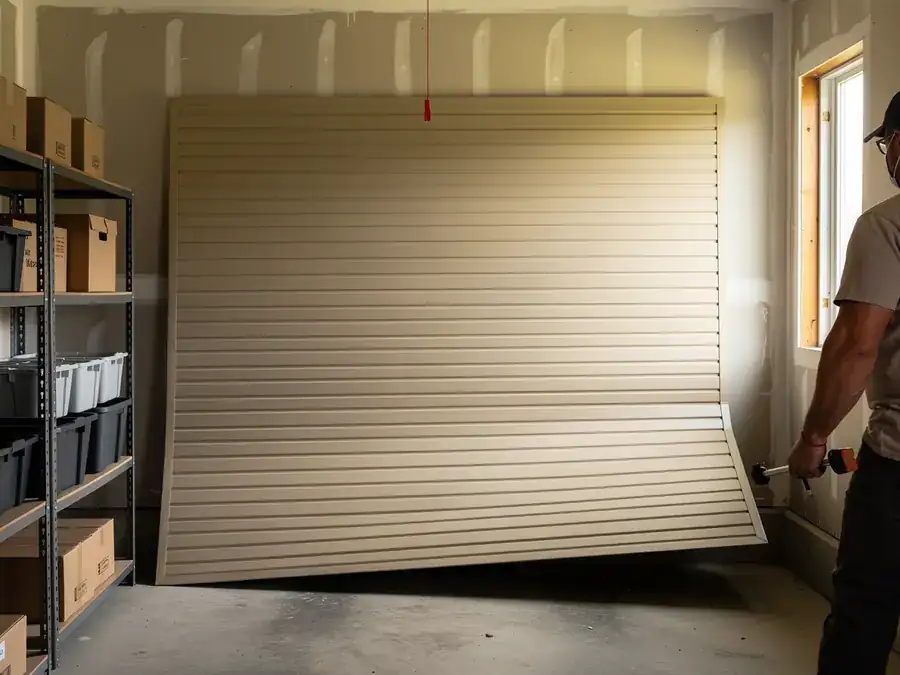
A torsion spring under tension can put someone in the hospital, and that risk doesn't change because the door is a nicer one. If a cable has jumped the drum or a spring has split, the safest move is to leave the door down and call someone who does this regularly. Where a homeowner here can reasonably step in: checking the photo-eye sensors for dust or misalignment, confirming the opener isn't just unplugged, and clearing the track of anything that's worked its way in. Past that, especially with custom overlay or insulated doors common in this area, the hardware underneath isn't always the generic stuff a big-box replacement kit assumes. Forcing a universal part onto a door it wasn't built for usually turns a repair into a replacement job. If you're not sure which category your problem falls into, that uncertainty is itself a reason to call rather than guess.
How Long It Takes
We run this call from Chandler, and Paradise Valley sits about 20 miles out, so travel time is part of the job before anything gets diagnosed. We don't promise a set arrival window here - that number depends on where the truck already is and what's loaded on it that day. What we can say is that most emergency calls split into two kinds: the ones we finish in a single visit because the part is one we carry, and the ones where a custom panel, a specific opener board, or a less common spring size has to come from a supplier. Given the mix of higher-end doors in this area, the second kind shows up more here than in some other parts of our coverage area. We'll tell you up front, once we've looked at the door, which kind yours is.
What the Fix Involves
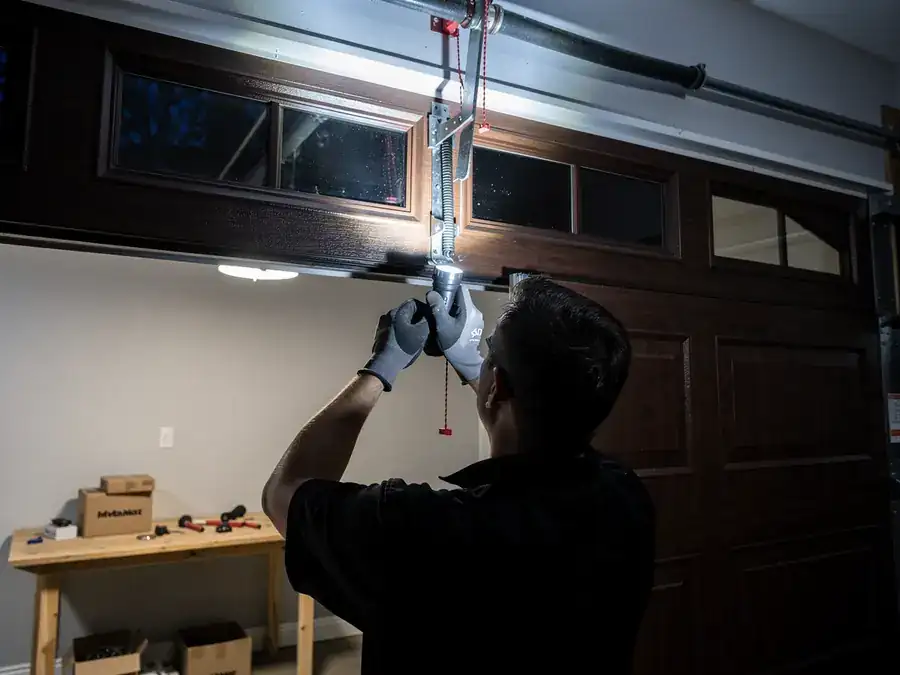
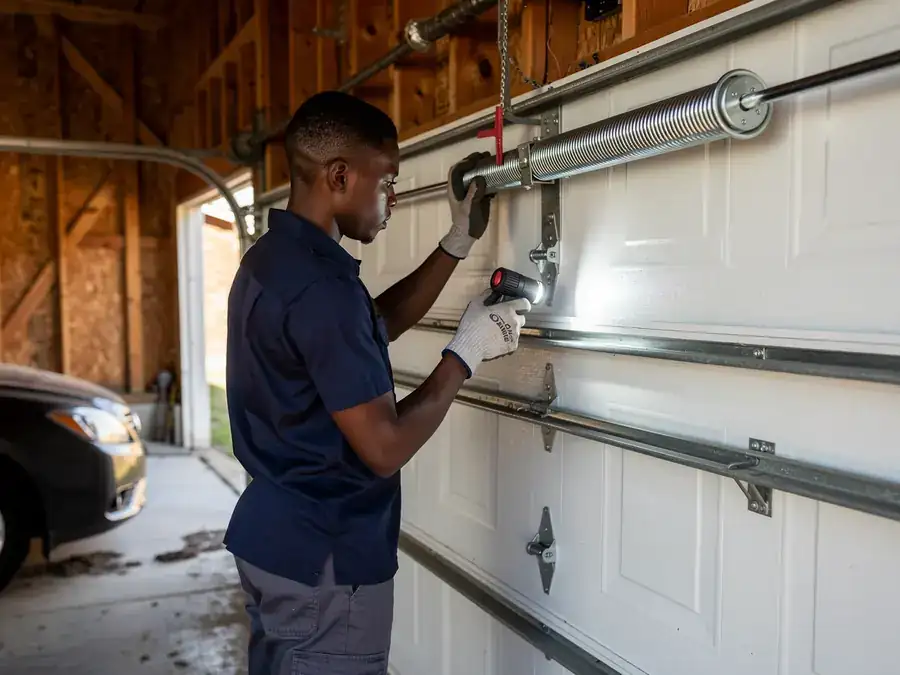
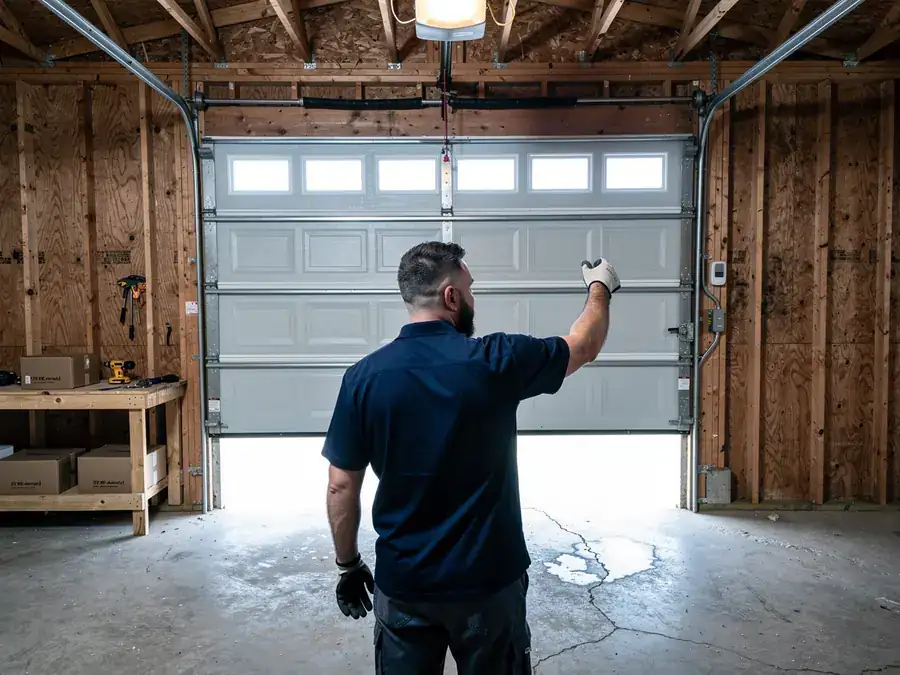
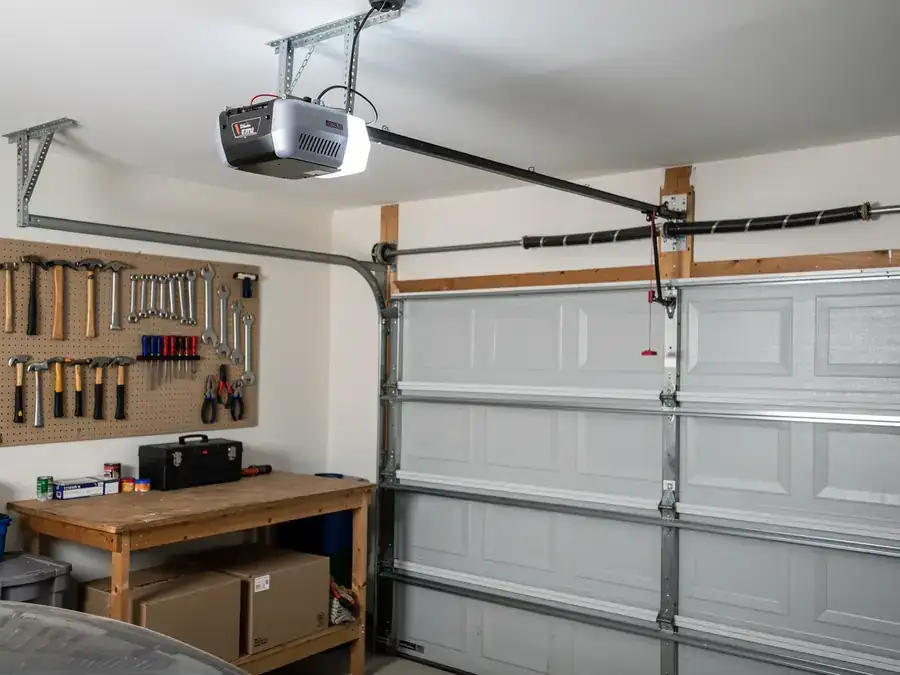
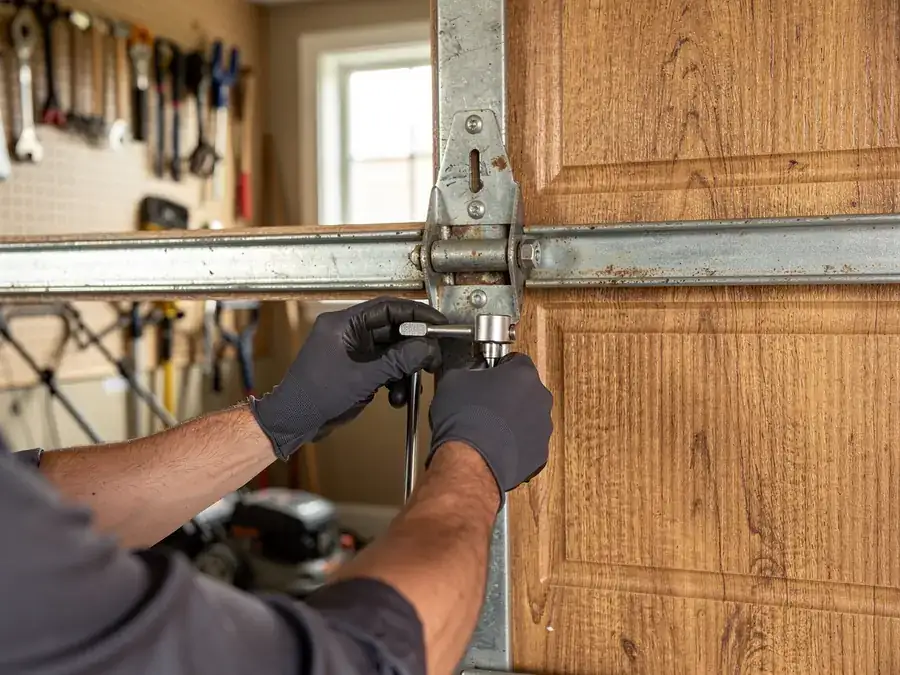
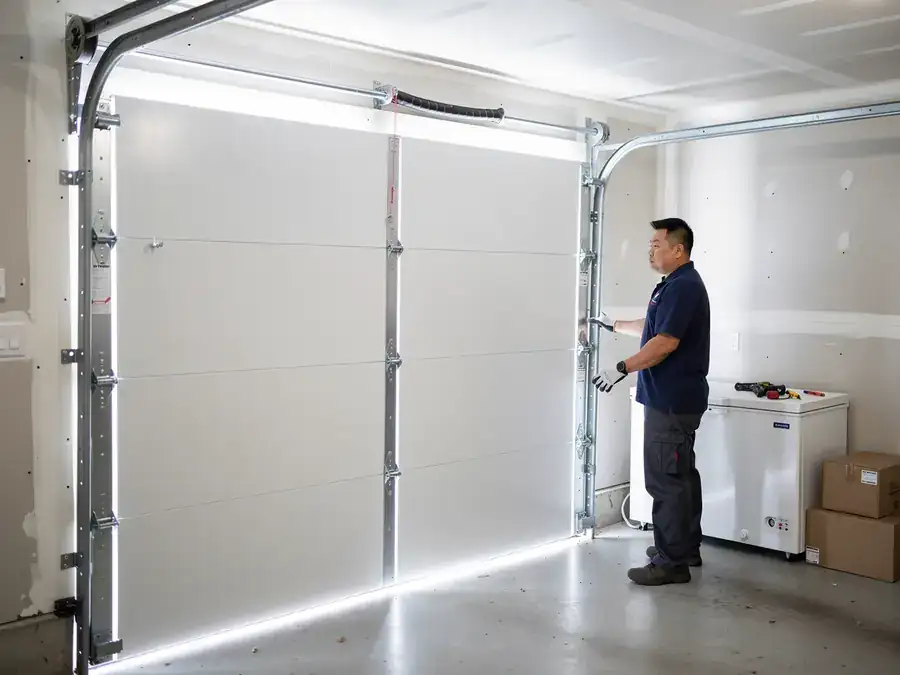
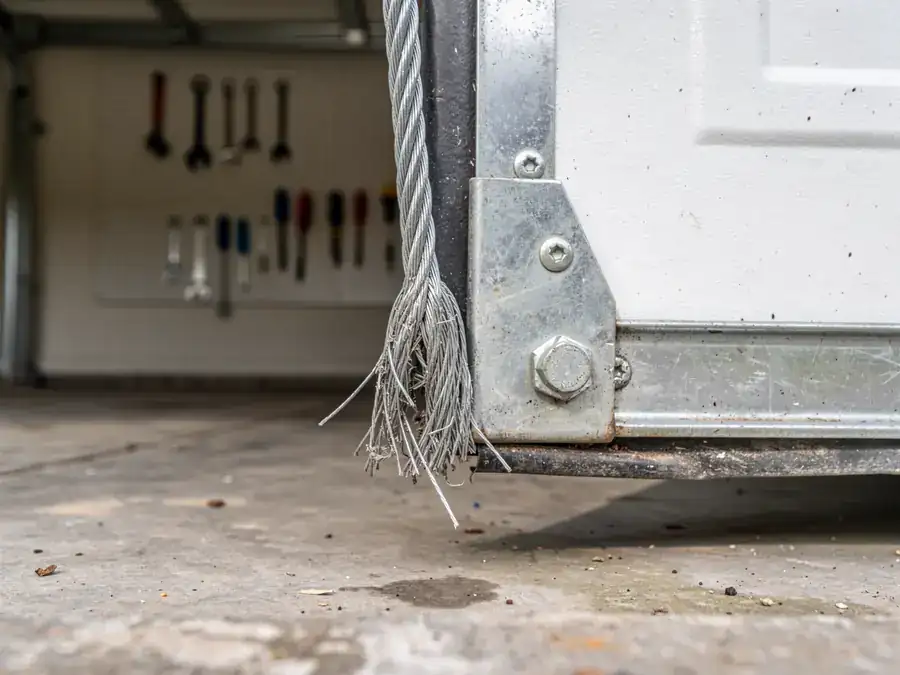
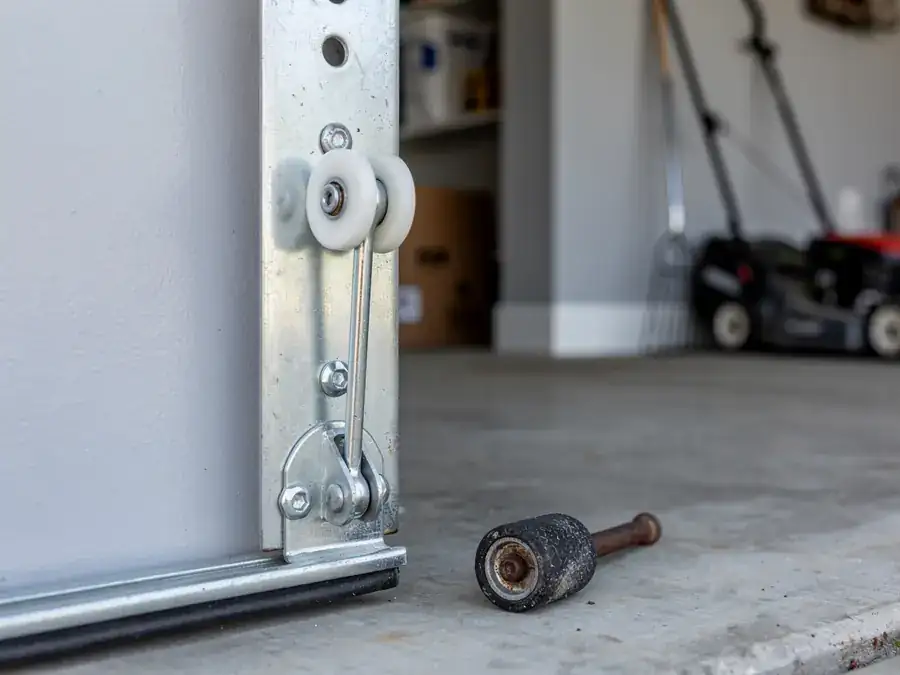
The first ten minutes are diagnosis, not repair - checking spring tension, cable wear, track alignment, and opener behavior before touching anything. A broken torsion spring on a double door usually means replacing both springs, even if only one has gone, since the other is on the same clock. Frayed cables get swapped, not spliced. If the opener itself is the problem - a stripped gear, a dead circuit board - that's a separate diagnosis from the door hardware, and on the higher-end systems more common in this area, opener boards aren't always interchangeable with standard models. Rollers and hinges get inspected at the same time, since heat-brittled nylon on one roller usually means the others aren't far behind. We replace what's actually failed, not the whole assembly, unless the door's age or the extent of wear makes a full-panel or full-door job the more honest call.
Stocked Parts
Our trucks carry the torsion springs, cables, and rollers sized for the 1985-1993 era doors that make up most of this region's housing stock, so a standard spring failure is usually a same-visit fix. Where we run into a gap is custom hardware - overlay panels, insulated sections, or opener boards built for higher-end doors, which show up more often in Paradise Valley given the income profile here than they do elsewhere in our coverage area. Those parts sometimes have to be ordered from the manufacturer, and we won't pretend otherwise just to close a sale faster. If your door falls into that category, we'll tell you what we found, what it'll take to source the part, and whether a temporary fix makes sense while you wait.
How it works
From “it’s stuck” to “it’s fixed”
A quick, honest process - no guesswork and no surprises.
1
Tell us what’s wrong
Describe the symptom - won’t open, loud bang, opener runs but the door won’t move.
2
On-site diagnosis
A technician tests the door under power and by hand and finds what actually failed.
3
Clear, up-front plan
You get the fix that’s needed and what drives the cost - before any work starts.
4
Repaired & tested
The repair is done, the door is set true and tested, and the work area left clean.
Not sure which repair your door needs in Chandler, AZ? Describe what it’s doing - every job starts with a diagnosis.
Straight answers about garage door repair in Chandler. Still unsure? Ask us directly.
How far out is Paradise Valley from your shop, and does that affect response time?
We work out of Chandler, and Paradise Valley is about 20 miles from there. Travel is part of every call here, so we don't quote a fixed response window - it depends on where the truck is and what it's carrying that day.
Are garage door parts in Paradise Valley different from other parts of the service area?
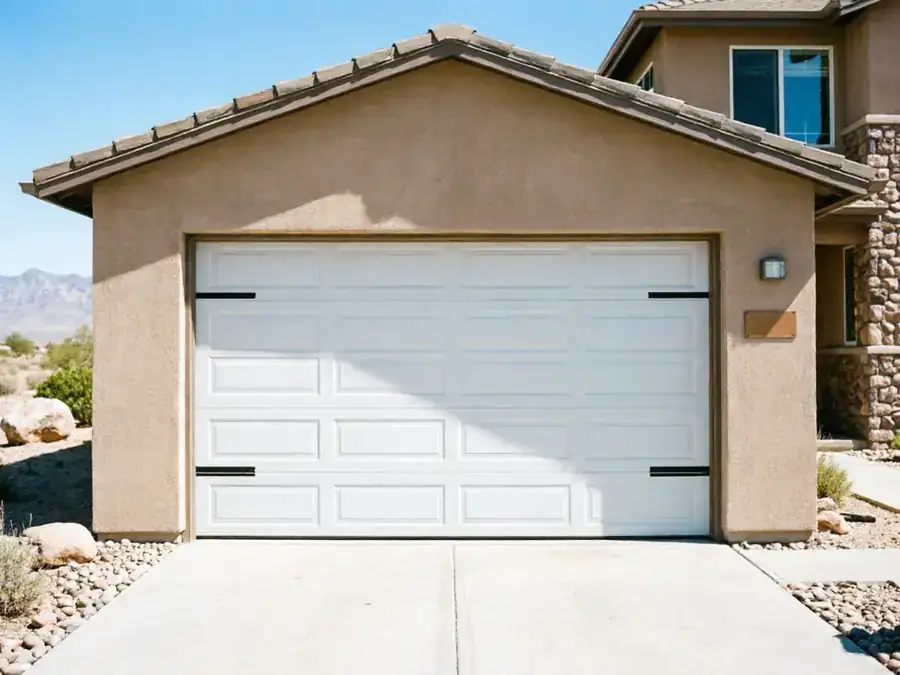
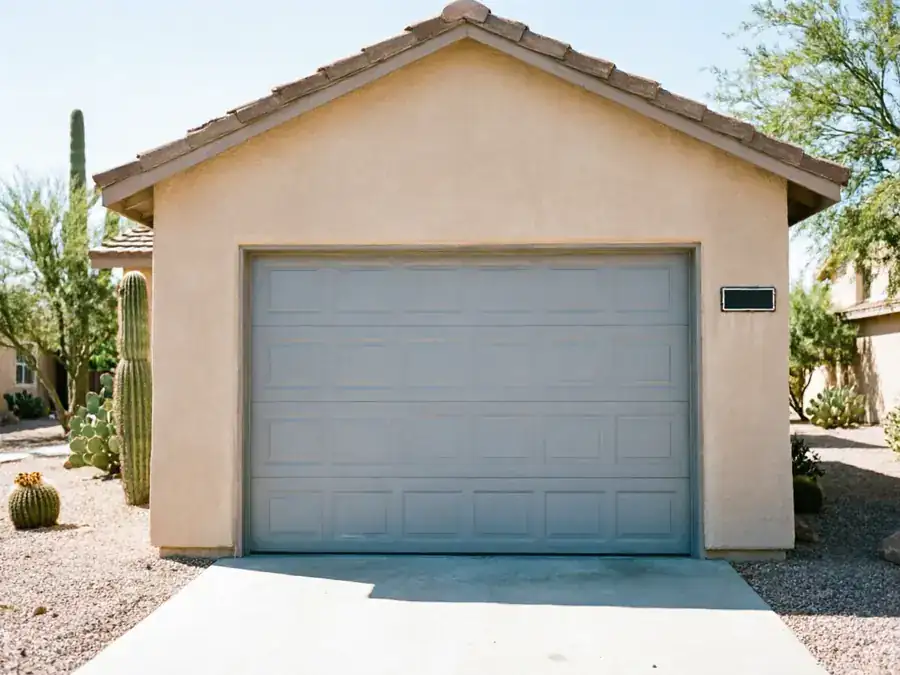
Often, yes. The area's higher median income correlates with more custom overlay and insulated doors compared to the standard stamped-steel doors common elsewhere in our coverage area. Standard torsion springs and cables are usually on the truck; custom panels or opener boards sometimes need to be ordered.
My door is from the mid-1980s - is the original hardware still on it?
Possibly. Most homes in this area were built around 1985, slightly ahead of the 1991 median for our wider service area, which means a lot of doors here are still running original torsion springs that haven't been replaced even once.
Why does summer heat matter for a garage door that isn't even running?
Heat doesn't need the door moving to do damage. It dries out lubricant on cables and torsion springs and makes nylon rollers brittle over time, so failures often show up as a sudden snap rather than a gradual slowdown you'd notice first.